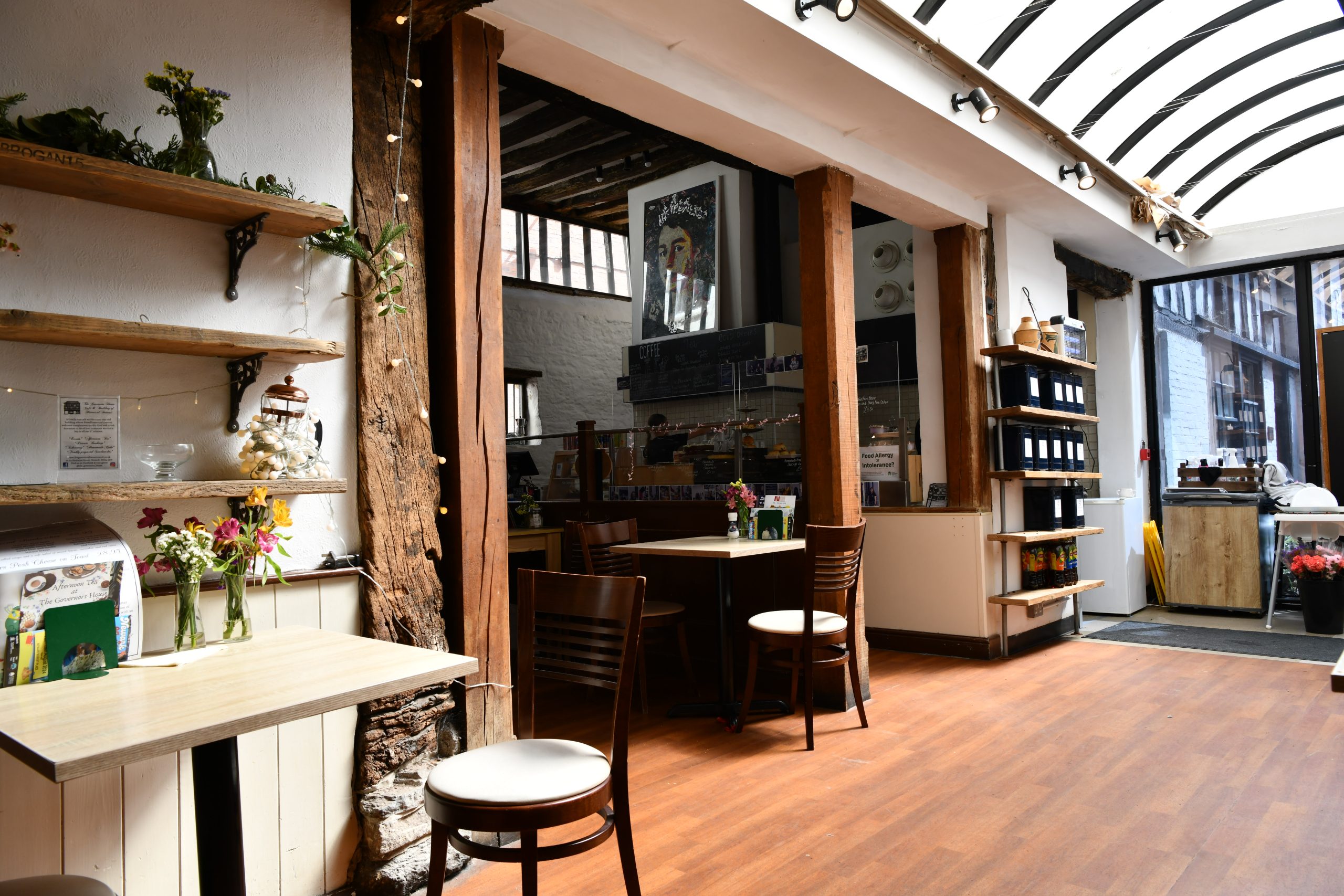

Opening a small cafe goes best when you make decisions in the right order: confirm there is demand, speak to the health department before you sign a lease, get your floor plan approved, sort out registration and licenses, then pass a pre-opening inspection. Most painful stories from first-time owners come from doing those steps out of sequence, such as fitting out a kitchen before anyone from the health department has seen the drawings.
The walkthrough below follows one hypothetical project from start to finish so you can see how each stage feeds the next.
Key takeaways
- Test demand and competition before you commit to a location.
- Call your local health department before signing a lease, not after.
- Expect to submit scaled floor plans and an equipment layout for review.
- Licenses come from several levels of government, and each one has its own renewal date.
- Plan a soft opening with a short menu so problems surface while traffic is light.
The scenario
Say you have found a former retail unit on a neighborhood main street. You want counter service, espresso drinks, a few hot sandwiches and baked goods, with seating for a modest number of people inside and two small tables on the sidewalk. You have savings, a rough budget and no restaurant experience beyond working shifts in someone else’s café.
Nothing here is unusual. What makes or breaks a project like this is rarely the coffee. It is the paperwork, the layout and the timing.
Step 1: Check demand before opening a small cafe
Before you look at fixtures, look at the street. The U.S. Small Business Administration’s guide to market research and competitive analysis lists the questions worth answering: whether there is demand for what you sell, how big the market is, where customers live and how you will reach them, how saturated the area already is, and what people currently pay for alternatives.
In practice, for this unit you would:
- Count morning foot traffic on two or three weekdays and a Saturday.
- Note every place within walking distance that sells coffee, including bakeries, gas stations and offices with their own machines.
- Ask yourself what you offer that those places do not: longer hours, seating, a quieter room, food made on site.
The SBA also suggests looking at competitors’ strengths and weaknesses and at barriers to entry. If three cafés already open at 6 a.m. two doors away, your window may be the afternoon trade, not the commuter rush.
Step 2: Talk to the health department before the lease
This is the step people skip. Local health departments regulate retail food, usually under rules modeled on the FDA Food Code and adopted by each state, so the details differ from place to place. One city health department, in Manchester, New Hampshire, puts it plainly on its plan review and construction page: contact the department before you consider leasing a space, to talk through general requirements.
For the shop unit in this scenario, that early conversation would cover questions such as:
- Does the space have, or can it take, the sinks the menu requires?
- Is there room for a grease trap or other plumbing the local rules call for?
- Will hot sandwiches change what ventilation you need?
- Are there restroom requirements for customer seating?
Ask the same kind of questions of the city’s zoning or planning office, because a change from shop to food service can trigger its own review. Write down what each office tells you and who said it.

Step 3: Submit plans for review
Once the lease is signed, or signed subject to approvals if the landlord agrees, the formal process starts. Manchester’s requirements are typical of what many departments ask for: a complete plan review application, floor plans that are clear, legible and drawn to scale, an equipment layout, construction details and, if requested, the menu. Plans generally have to be approved by every relevant city department before construction or opening.
| Stage | What you decide | Who you usually deal with |
|---|---|---|
| Market check | Location, hours, offer | Nobody yet: your own research |
| Pre-lease call | Whether the unit can work | Health department, zoning office |
| Plan review | Layout, equipment, finishes | Health department, building department |
| Registration | Legal structure, name, tax IDs | State and federal agencies |
| Build-out | Contractors, schedule | Building inspectors |
| Pre-opening inspection | Final fixes | Health department |
Keep the menu tight at this stage. Every extra cooking process can add equipment, and every piece of equipment has to appear on the drawings.
Step 4: Register the business and collect licenses
While plans are in review, deal with the business side. The SBA’s page on applying for licenses and permits notes that most small businesses need a combination of licenses and permits, that states regulate a broader range of activities than the federal government, and that restaurants are among the activities commonly regulated locally. It also says you need an Employer Identification Number to apply for business licenses and permits, and it advises keeping close track of renewal dates.
For our café, that typically means choosing a legal structure, registering with the state, getting tax IDs, and then applying for the city or county food establishment permit, any sidewalk seating permit, and signage approval. The exact list depends on where you are, so build it from your state and local government websites rather than from a generic checklist.
Step 5: Build out, inspect, then open quietly
When construction is finished, you schedule the final health inspection. Manchester offers a pre-opening checklist to help owners prepare, and many departments do something similar, so ask for it early and work through it before the inspector arrives.
After you pass, resist a big launch. For the first week, run shorter hours and a reduced menu. Watch where the queue forms, how long drinks take at the busiest moment, and which items you run out of. Those observations will tell you more about your layout than any drawing.
Frequently asked questions
Do I need a full business plan before opening a small café?
Not always, but you will need one if you are borrowing money or bringing in investors. A shorter plan still helps you check that rent, staffing and your expected sales add up before you commit.
Can I start building before my plans are approved?
Generally no. Many health departments require approval before construction begins, and building first risks paying twice to change work that does not meet the rules. Confirm the rule with your local department.
Are café rules the same in every state?
No. The FDA Food Code is a model that states and localities adopt and adapt, so requirements for sinks, equipment and staffing vary. Your local health department is the authority that counts.
Your next move
Pick one candidate location and spend a week on Step 1 before you contact a landlord. If the demand looks real, make the health department call next. Getting those two conversations right will save you more money than anything else in this guide. For more on running a counter-service shop once it is open, browse our small café guides.