

A board game cafe is a café where guests come to play from a shared library of tabletop games while they eat and drink. The model works when you plan for long stays: guests may hold a table for an evening, so income usually comes from some mix of a table or play charge, food and drink, memberships, events and game sales, not from fast turnover. The walkthrough below follows one hypothetical project from first idea to a plan, so you can see which decisions matter and in what order. It is a scenario for illustration only, not a real business.
Key takeaways
- Long visits are the defining feature, so plan income around time at the table, not quick turnover.
- Test local demand before you sign a lease, using the basic market research questions the SBA sets out.
- Tables, storage and a person who teaches games matter as much as the coffee machine.
- Choose a menu that keeps hands and game pieces clean.
- Treat shared games as high-touch surfaces with a regular cleaning routine.
The scenario: a storefront and an idea
Say you have found a vacant ground-floor unit on a street with evening foot traffic, near a college and a cluster of apartment buildings. You like games, you have run a few game nights at home, and you want to know whether a board game cafe could pay its way in that space.
Start with the basics that apply to any café. Our walkthrough on opening a small café covers the general sequence of permits, fit-out and menu planning. The board game version adds three extra questions: how you charge for time, how you manage a library of shared games, and how you keep food and play from getting in each other’s way.
Step 1: Test demand before you commit
The U.S. Small Business Administration’s guide to market research and competitive analysis lists the questions to answer early: whether there is demand, how many people might be interested, local income and employment, where your customers are, how saturated the market is, and what customers pay for alternatives.
For this scenario, that translates into practical checks:
- Who plays locally? Look for existing game nights at libraries, community centers and hobby groups. Visit and talk to organizers.
- What do people do instead? Your competition includes bars, other cafés, cinemas and staying home, not only other game venues.
- When would they come? Evenings and weekends are likely. Ask whether daytime trade could come from families, students or remote workers.
The SBA guide notes that direct research such as surveys, focus groups and interviews gives a more nuanced view than general data. A few pop-up game nights in a borrowed space can tell you more than a spreadsheet.
Step 2: Decide how your board game cafe earns from long visits
This is the decision that separates a board game cafe from an ordinary one. A guest who stays three hours with one drink occupies a seat that a standard café would expect to turn several times.
| Revenue approach | How it works | Watch out for |
|---|---|---|
| Per-person play charge | Guests pay for access to the library, sometimes timed | Must feel fair for short visits as well as long ones |
| Minimum food and drink spend | No play charge, but each guest orders a set amount | Needs a menu people want to keep ordering from |
| Membership | Regulars pay for repeat access or perks | Works best once you have a loyal core |
| Ticketed events | Tournaments, learn-to-play nights, themed evenings | Takes staff time to plan and run |
| Game sales | Guests buy copies of games they enjoyed | Ties up cash in stock; needs storage |
Many operators combine two or three of these. Check how each one interacts with your seating: if you have few tables, an approach that rewards long stays without extra spending may not work.
Step 3: Plan the room around the tables
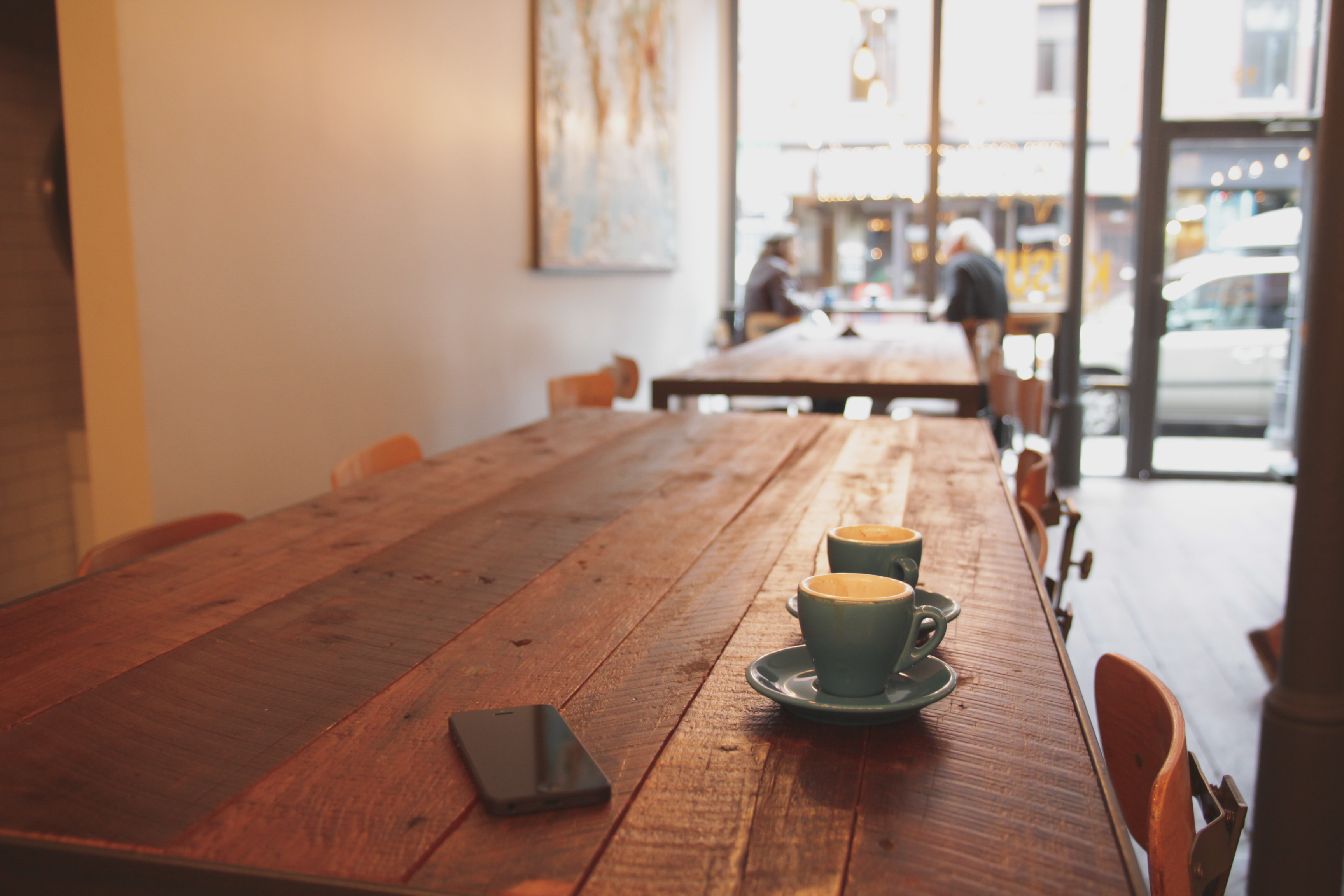
Board games need more table space than coffee and a pastry. Large boxes, boards, cards and drinks all compete for the surface. In this scenario, you would sketch the floor plan with sturdy tables big enough for four to six players, a few two-person tables for couples and quick games, and wide aisles so staff can carry trays without clipping a game.
Then plan the library: open shelving that guests can browse, a clear system for returning games, and space behind the counter for games that are fragile or easily lost. Our café equipment buyer’s guide covers the kitchen side; here the furniture and shelving deserve as much attention.
Staffing changes too. Many guests will not know the rules of unfamiliar games, so someone who can recommend and teach games becomes part of the service, alongside taking orders.
Step 4: Build a menu that suits play
Greasy fingers, sauces and crumbs damage cards and boards. The menu should favor food that can be eaten with a fork or in clean bites, drinks with stable bases, and portions that are easy to share at a table full of pieces. Our explainer on catering for gaming events goes into the same problem for tournaments and game nights.
Keep the food side within normal food safety rules for your area. The kitchen, menu and any permits follow the same local health department requirements as any other café.
Step 5: Keep shared games clean
Every game in the library passes through many hands. The CDC’s guidance on when and how to clean a facility describes high-touch surfaces, such as counters, door handles and touchpads, as more likely to spread germs, and recommends cleaning them regularly, with cleaning alone removing most harmful germs from surfaces.
In practice, that means wiping tables between groups, checking returned games for spills and missing parts, and cleaning pieces that can be wiped without damage. Encourage handwashing, and keep cards and boards away from the food prep area.
Frequently asked questions
Do I need a different permit for a board game cafe?
The food side typically needs the same permits as any café in your area. Events, entertainment or occupancy rules may add requirements, so ask your local planning and health departments before you sign a lease.
How many games should the library start with?
There is no official figure. Start with enough variety to cover quick games, party games, family games and longer strategy games, then add titles based on what guests actually ask for.
Can a small café test the idea without converting fully?
Yes. A weekly game night with a borrowed or personal collection lets you see who turns up, how long they stay and what they order before you change the business model.
Turning the scenario into your plan
Write down your likely customers, the revenue mix you would test first and a rough floor plan. Then run two or three trial game nights and record table times and orders. Those notes will tell you more than any general guide. Find more ideas in our Leisure & Games section.