

Good standing work ergonomics comes down to four things: a work surface at the right height for the task, frequent changes of position, a floor and footwear that support your feet, and breaks that get you moving or sitting. Standing is not harmful in itself, but long, unbroken hours on your feet at a counter, oven or market stall can lead to sore feet, swollen legs and back or neck problems. The checklist below draws on guidance from the Canadian Centre for Occupational Health and Safety and NIOSH. It is general information, not medical advice, so see a health professional about persistent pain.
Key takeaways
- Set work surface height by task: higher for precise work, lower for heavy work.
- Change position often; the goal is short periods in any one posture.
- Hard floors are tough on feet; use suitable mats with sloped edges, not thick soft foam.
- Shoes need heel grip, toe room and arch support; try them on later in the day.
- Provide a seat or foot rail even where the job is mostly standing.
Why standing work ergonomics matters
The Canadian Centre for Occupational Health and Safety (CCOHS) explains in its guide to working in a standing position that standing is a natural posture and poses no particular hazard by itself. The problems come with prolonged and frequent standing without relief: blood pools in the legs and feet, and workers can develop sore feet, swelling, varicose veins and back or neck pain.
NIOSH describes ergonomics as designing work tasks to fit the capabilities of workers, and lists awkward postures, forceful exertion and repetition among the risk factors for work-related musculoskeletal disorders. Food work has all three: kneading, lifting crates, reaching into display cases and repeating the same motions for hours.
For small business owners this is also a workload question. Our myth-and-fact look at side hustle work-life balance and our explainer on hospitality burnout cover the wider strain of long hours.
Work surface height checklist
CCOHS recommends setting surface height relative to the worker’s elbow and the type of task:
| Type of task | Suggested surface height | Food business examples |
|---|---|---|
| Precision work | About 5 cm (roughly 2 inches) above elbow height, with elbow support | Piping, decorating, fine knife work |
| Light work | About 5 to 10 cm (roughly 2 to 4 inches) below elbow height | Assembling orders, packing, serving |
| Heavy work | About 20 to 40 cm (roughly 8 to 16 inches) below elbow height | Kneading dough, lifting stock pots |
- Measure the main work surfaces against the people who use them most.
- Use adjustable tables where possible. CCOHS notes that platforms can help shorter workers and pedestals can raise work for taller ones.
- Keep frequently used items within easy reach to avoid stretching and twisting.
- At a market stall, set the serving table height for the person serving, not just for display. Our guide to market stall setup equipment covers choosing tables.
Posture and movement checklist
- Change working positions frequently, so no single position lasts long. CCOHS says varied positions spread the load across more muscles and improve blood flow.
- Build in walking: restocking, fetching supplies or a short break away from the station.
- Avoid extreme bending, stretching and twisting. Move your feet to turn instead of twisting your back.
- Provide a seat so workers can sit occasionally, even where the job is mostly standing.
- Fit a foot rail or portable footrest so people can shift weight from one leg to the other.
Floor and mat checklist
- Prefer floors of wood, cork or rubber-covered surfaces over concrete or metal, where you have the choice.
- On hard floors, use mats with slanted edges to reduce tripping.
- Avoid thick foam-rubber mats. CCOHS says too much cushioning can cause fatigue and increase the risk of tripping.
- Keep mats clean, flat and suitable for wet kitchen areas.
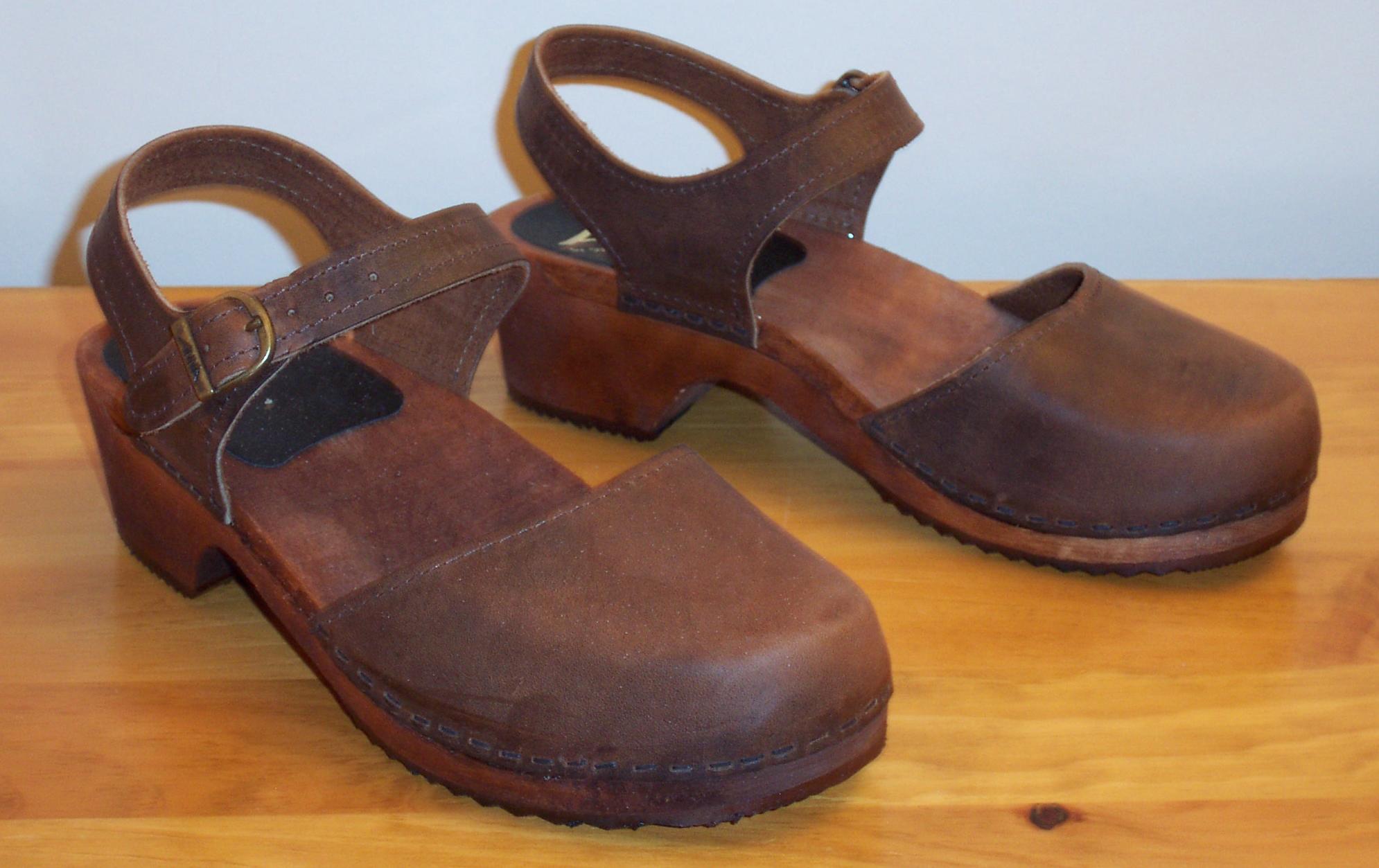
Footwear checklist
CCOHS puts it simply: your feet can only be as comfortable as your footwear allows.
- Choose shoes with a firm grip around the heel, enough room for the toes, arch support and lace-up fastening.
- Avoid high heels; CCOHS notes a small heel can reduce strain on the Achilles tendon.
- Check slip resistance for kitchen and wet floors. The CCOHS guide to safety footwear says slip resistance information appears on packaging, the footwear or product sheet.
- Try shoes on around midday, when feet have swollen, and wear the socks and insoles you use at work.
- Do not count on shoes stretching to fit with wear.
Routine checklist for long shifts
- Plan short breaks, and sit for at least some of them.
- Rotate tasks between team members so no one spends a whole shift in the same position.
- Use trolleys or carts for heavy crates instead of carrying them; NIOSH lists assistive lifting devices among prevention measures.
- Ask staff where they feel discomfort and adjust heights, mats or routines in response.
Frequently asked questions
Is standing all day bad for you?
CCOHS says standing itself poses no particular hazard. The problems come from prolonged standing without relief, so changing position, walking and sitting at intervals are the key.
Are anti-fatigue mats worth it?
On hard floors, suitable mats can help. CCOHS cautions against thick foam-rubber mats, which can increase fatigue and tripping risk, and recommends mats with slanted edges.
What counter height should I use for kneading bread?
Kneading is heavy work, which CCOHS places about 20 to 40 cm (roughly 8 to 16 inches) below elbow height. Adjust within that range to suit the person and the task.
Start with one station
Pick the station where you spend the most time, measure the surface against your elbow, check the floor and your shoes, and fix the biggest mismatch first. Small changes add up over a season of shifts. More ideas for life around a food business are in our Lifestyle section.