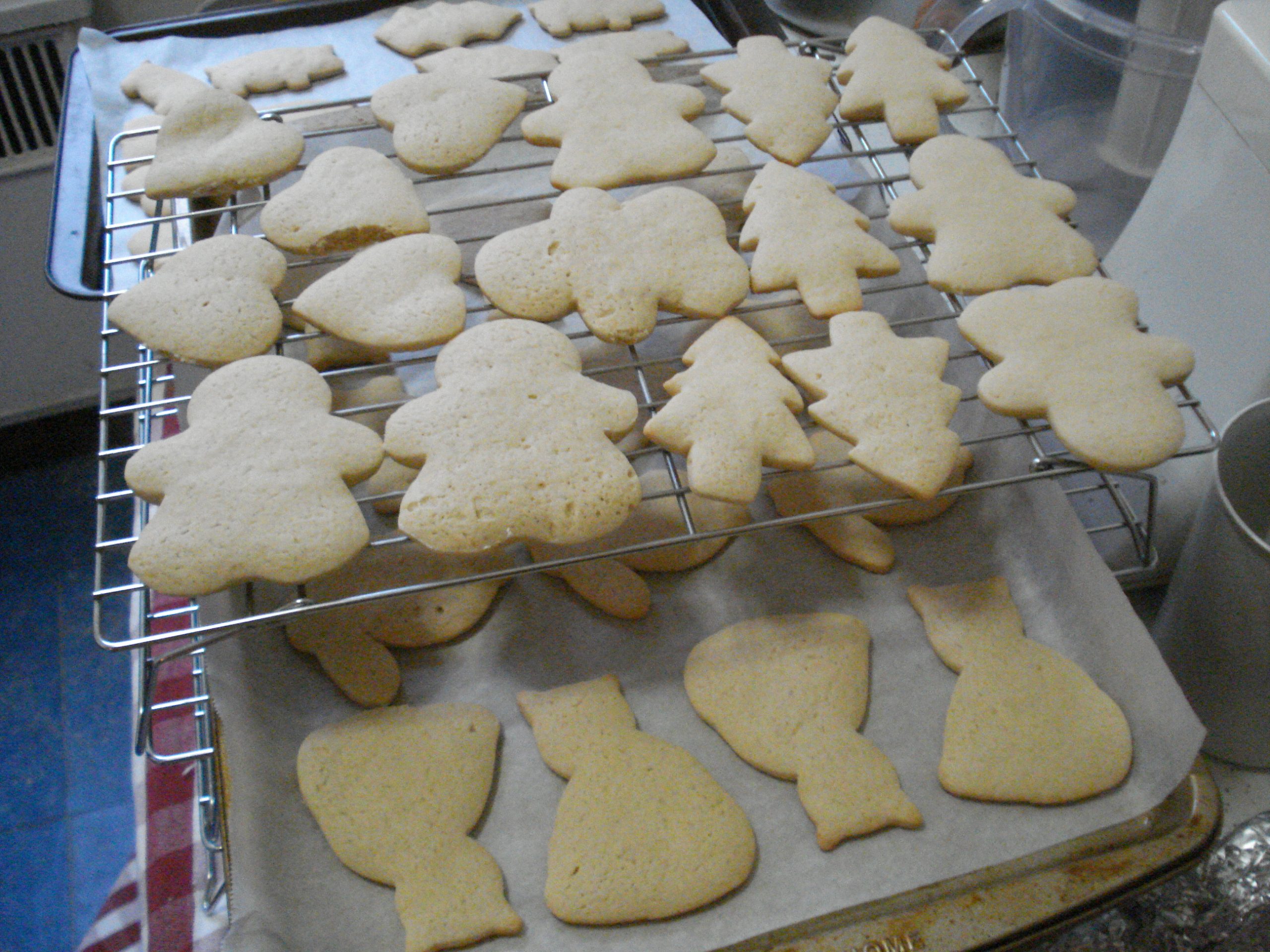

A food side hustle starts with one question that has nothing to do with recipes: where are you legally allowed to make the food you want to sell? Answer that first, then check your local rules, decide whether you are running a hobby or a business, register, set up simple records and test your product on a small scale. Those six steps take a few weeks, cost little, and keep you from building a following around a product you cannot legally sell.
Key takeaways
- Where you cook decides what you can sell, so start there.
- Home-kitchen rules differ sharply between states and countries.
- Hobby income still has to be reported to the tax authorities.
- A sole proprietorship is the default, and it leaves you personally liable.
- Separate money and written records make every later step easier.
Step 1: Match your food side hustle to where you will cook
Most food sold to the public has to come from a licensed kitchen. Many U.S. states make an exception for lower-risk foods made at home, usually called cottage foods, but the list of what qualifies varies a great deal.
Texas is a useful example of how detailed the rules get. Its health department’s cottage food production page excludes items such as meat and poultry, seafood, low-acid canned goods and raw milk products. It also requires labels stating that the product was made in a private residence that is not subject to governmental licensing or inspection, and it requires the operator to complete a basic food safety course. Another state may allow less, or require registration and inspection.
| Where you cook | What it usually suits | What to check first |
|---|---|---|
| Your home kitchen | Shelf-stable baked goods, some confections and preserves, where state law allows | Your state’s cottage food list, labeling and sales channels |
| A rented commercial or shared kitchen | Foods that need refrigeration, catering, meal prep | Local health permit and the kitchen’s own rules |
| A licensed business you already work in | Pop-up menus or after-hours production | Owner’s permission and whether their permit covers you |
If your idea is a chilled dessert or a hot meal, assume you will need a licensed kitchen until an official source tells you otherwise.
Step 2: Confirm the rules with your local authority
State rules set the frame, but cities and counties often add their own requirements for sales locations, events and signage. Phone or email your local health department, describe the exact product and where you plan to sell it, and keep the reply. If you are outside the United States, your local council or food authority plays the same role.

Step 3: Decide whether this is a hobby or a business
The IRS explains in its guidance on the difference between a hobby and a business that it weighs several factors together, with no single factor deciding the answer. They include whether you carry out the activity in a businesslike manner and keep complete and accurate books and records, whether you put in time and effort to make it profitable, whether you depend on the income, and whether you change your methods to improve profitability.
Two points matter here. First, even hobby income has to be reported. Second, the label affects what expenses you can deduct, which is a question for a tax professional or the IRS’s own publications, not a blog. If you are outside the U.S., check your national tax authority’s guidance on side income.
Step 4: Register the business in a simple form
For most people starting small, the first structure is a sole proprietorship. The SBA’s page on registering your business describes it as the default for someone doing business without registering another structure. It is easy to form, but you can be held personally liable for the business’s debts and obligations.
If you trade under a name other than your own, you may need to register a DBA (doing business as) name. The SBA notes that a DBA does not give legal protection but may be legally required, and that requirements vary by state, county and municipality.
Step 5: Set up records before your first sale
Do this before the first sale, not after the first busy month:
- Open a separate bank account, or at least a separate card, for ingredients and packaging.
- Keep every receipt, photographed and filed by month.
- Log each batch: date, quantity made, quantity sold, quantity wasted.
- Record any food safety training you complete and keep the certificate.
These habits match what the IRS describes as a businesslike manner, and they will also tell you which products actually earn their place.
Step 6: Test small before you scale
Make one product, in one size, for one sales channel. A neighborhood market, a workplace order list or pre-orders from people you know will show whether your production time is realistic and whether customers come back. Change one thing at a time so you can see what made the difference. If the test goes well and you start thinking about premises, the walkthrough on opening a small café shows how much the process changes once you need a licensed space of your own.
Frequently asked questions
Can I sell food from my home kitchen?
In many U.S. states, yes, for certain lower-risk foods under cottage food rules. The approved foods, labeling and sales channels differ by state, and some places do not allow it at all. Check your state and local health authority.
Do I need to form an LLC before my first sale?
Not necessarily. A sole proprietorship applies by default, but it leaves you personally liable. Whether another structure suits you is a question for a lawyer or accountant in your state.
Do I have to report a small amount of side income?
The IRS says income from a hobby must still be reported, and business income is reported too. How much tax you owe depends on your situation, so check IRS guidance or ask a tax professional.
Where to start this week
Write down the one product you most want to sell, then look up whether your state or local authority allows it from a home kitchen. That single answer will tell you whether your food side hustle starts at your own counter or in a rented kitchen. More beginner guides are collected in our getting started section.