To host a trivia night at a café, pick a quiet weeknight, choose a simple format of five or six rounds, write or source questions that are fair for a mixed crowd, and run it every week at the same time so regulars can plan around it. A good trivia night fills tables on an evening that would otherwise be slow, and teams tend to order food and drinks over a two-hour game. The work is mostly in the first few weeks: once the routine is set, it runs itself.
Key facts
- Choose your slowest regular evening and keep the same day and start time every week.
- Five or six rounds of eight to ten questions fits comfortably in about two hours with breaks.
- A confident host and a working microphone matter more than clever questions.
- Plan a short, shareable menu that is easy to serve to tables mid-game.
- Playing recorded music in public usually needs a performance license.
Step 1: Is trivia right for your café?
Trivia works best where people can sit in groups of four to six, hear the host clearly and stay for a couple of hours. Count your seats and tables, think about noise for any customers who are not playing, and check your opening hours. If you already host game nights, our walkthrough on the board game café model covers how social events change seating and staffing.
Step 2: How do you choose the night and format?
- Night: look at your sales by day and pick the slowest evening you are open, often a Monday, Tuesday or Wednesday.
- Start time: early enough for people coming from work, late enough to order dinner first. Many venues start between 7 and 8 p.m.
- Teams: set a maximum team size, such as six, to keep it fair.
- Entry: free entry is the simplest way to start. If you consider an entry fee, check your local rules on contests and prizes first.
Step 3: Plan the rounds
A common structure is:
- General knowledge
- A themed round (food and drink suits a café)
- A picture round on printed sheets
- Music or sound round, if licensed
- Local knowledge
- A final round with double points or a single tie-break question
Aim for eight to ten questions per round. Mix easy and hard questions so every team scores something and nobody gives up after round two.
Step 4: Write fair questions
- One clear answer. Avoid questions where two answers could be right.
- Check facts in two reliable sources.
- Avoid trick wording and topics only one age group would know.
- Keep it friendly: skip divisive politics and anything that could embarrass a guest.
- Write your own, or license a pack. Copying a quiz book or another venue’s questions word for word can raise copyright issues.
Step 5: Choose a host and set up the room
The host sets the mood. Pick someone who speaks clearly, keeps the pace up and handles disputes with good humor. A staff member can do it, or you can hire a regular quiz host.
- Microphone and speaker, tested before doors open.
- Answer sheets, pens and a few spare clipboards.
- A scoreboard on a whiteboard or screen, updated after each round.
- A clear rule on phones: put them away during rounds.
Do you need a license to play music at trivia night?
Usually, yes, if you play recorded music to the public. Under US copyright law, public performance of music generally requires permission from the copyright owners, which businesses typically get through performing rights organizations. The US Copyright Office has an overview of performing rights organizations, the groups that license public performances of music. If you are not licensed, drop the music round or use music you have permission to play.
Step 6: Menu and service during the game
Trivia teams order in waves, usually before the start and in the breaks. Keep the menu short, shareable and quick from the kitchen: sharing plates, flatbreads, baked goods, hot drinks and a jug or pitcher option. Take orders at the table during the halfway break so staff are not walking through the room while the host reads questions. Our guide to catering for gaming events has more ideas for food that works at the table.
Step 7: Scoring, prizes and tie-breaks
- Swap answer sheets between teams or collect them after each round.
- Announce scores after every round to keep tension up.
- Have a tie-break question ready: “closest number wins” works well.
- Keep prizes simple: a voucher for the next visit, a cake or a drinks round. A voucher also brings the winners back.
Step 8: Promote it and keep teams coming back
- Put up a sign at the counter and on the door, with the day and start time.
- Post the night on your social pages and your Google Business Profile.
- Run a running league table across a month or season.
- Ask teams for an email or follow so you can remind them each week.
- Collect feedback and adjust rounds that fall flat.
The SBA’s overview of marketing and sales is useful if you want a simple plan around regular events.
Frequently asked questions
How long should a trivia night last?
Around two hours including breaks is common. Five or six rounds of eight to ten questions fits that time well.
How many people do I need for a trivia night?
Even four or five teams can make a fun night. It often takes a few weeks to build a regular crowd, so keep it going consistently.
Should I charge an entry fee?
Free entry is the easiest way to start and avoids questions about prize rules. If you want to charge, check your local laws first.
Where do I get trivia questions?
Write your own and fact-check them, or buy licensed question packs. Do not copy other quizzes word for word.
Do I need a license for a music round?
If you play recorded music in public, you usually need a public performance license. Without one, skip the music round.
Summary
Pick your slowest night, keep a steady time, run five or six fair rounds with a confident host, serve a short menu and promote it every week. Within a month or two, a trivia night can turn a quiet evening into one of your busiest. More ideas in our leisure and games guides.
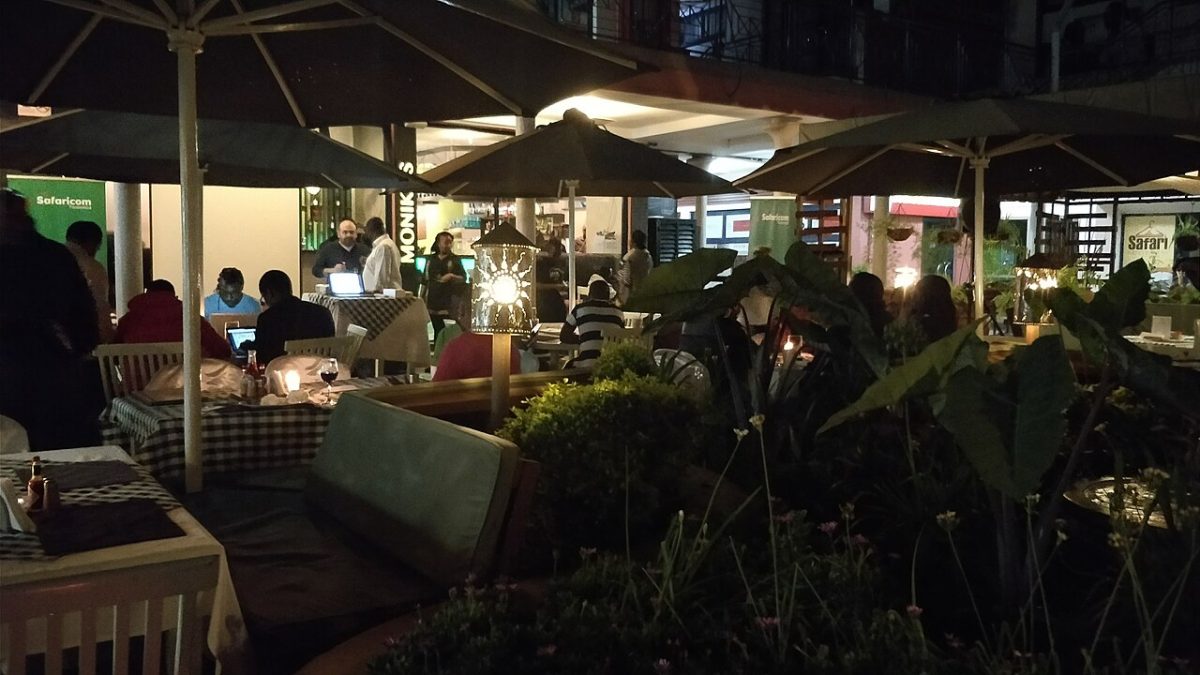
Featured photo: Pub Quiz Night by Hilary Murugu, CC BY-SA 4.0, via Wikimedia Commons.