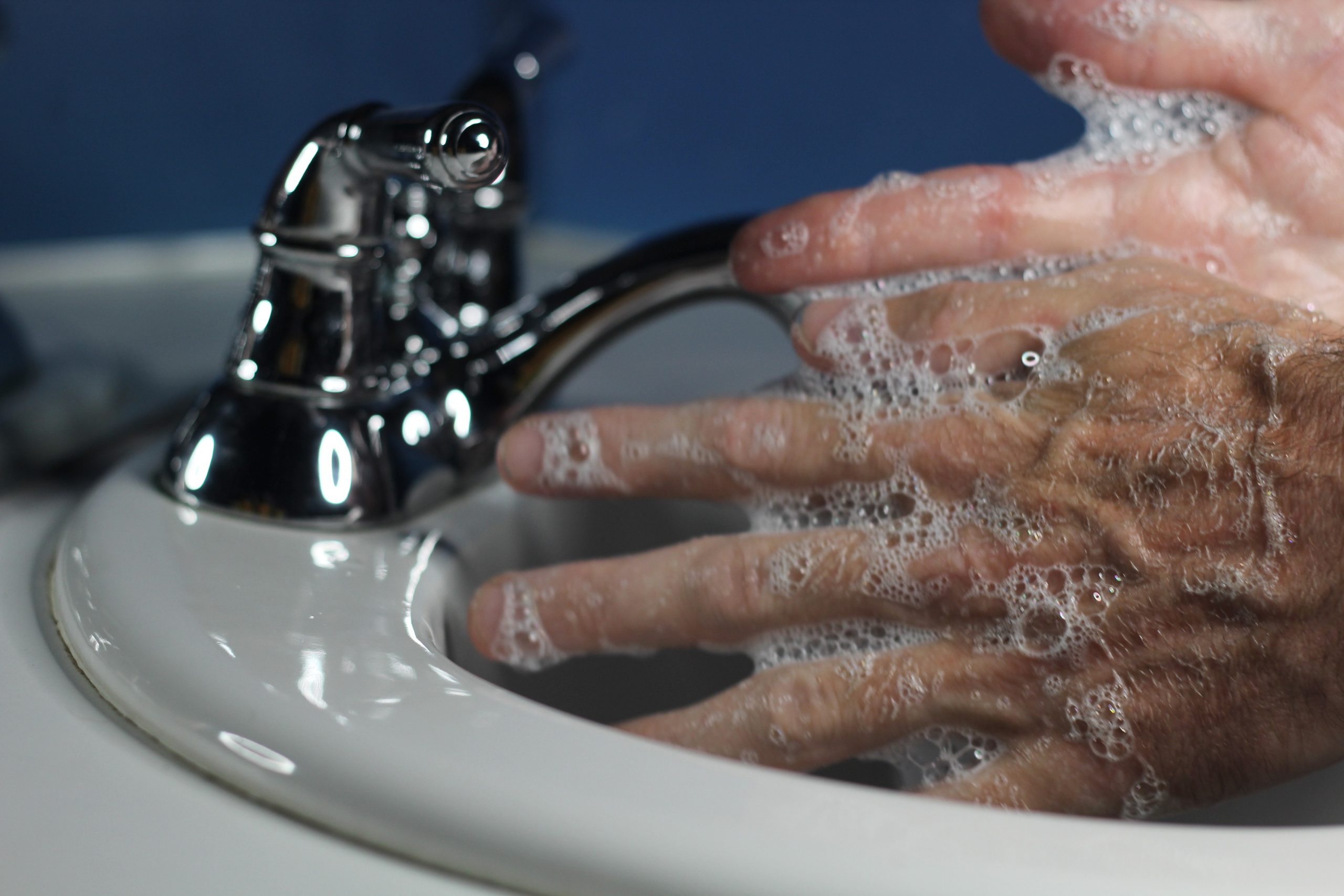

Food handler certification is a short, basic food safety course, followed by a test, that many jurisdictions require for people who prepare, store or serve food. It is different from a food manager certification, which is a more advanced credential usually held by the person in charge. Whether you need one, how soon after starting work, and which courses count all depend on your state or country, so treat the examples below as a guide to the questions to ask, not as the rule where you are.
Key takeaways
- A food handler credential covers basic food safety for staff who handle food.
- A certified food protection manager credential is a separate, higher-level qualification for the person in charge.
- Some states set deadlines, such as within 30 days of starting a job.
- Only approved or accredited courses count, and the approved list is set locally.
- In the UK, a certificate is not compulsory, but you must be able to show adequate training.
What food handler certification covers
A food handler course typically teaches the basics that prevent foodborne illness: personal hygiene and handwashing, avoiding cross-contamination, keeping food at safe temperatures, cleaning and sanitizing, and recognizing when you should not work because you are ill. Courses are usually short, often available online, and end with a test. Passing gives you a certificate or card.
The point is consistency. Every person who touches food in your business should share the same baseline habits, whether they are a cook, a server who plates desserts or a part-time helper at a market stall.
Who needs a food handler card
Requirements are set by states, counties or national bodies, and they differ. Two U.S. examples show the range:
- Texas: The state health department’s food handler page says many food service employees must complete an accredited food handler training course within 30 days of getting a job, and the state licenses the online and classroom programs that can be used.
- California: Fresno County’s summary of the California Food Handler Card explains that food handlers must get a card within 30 days of being hired and that cards are valid for three years. It lists roles such as cooks, wait staff, bartenders and managers, and lists exemptions, including temporary food facilities at community events, certified farmers’ markets, and anyone with a valid food manager certification. Only providers listed by the American National Standards Institute may offer the card class.
Home-based sellers are not always exempt. Texas, for instance, requires people running a cottage food operation to complete a basic food safety course, which we touched on in our guide to starting a food side hustle.

Food handler certification vs food manager certification
The second credential you will hear about is the certified food protection manager. The FDA Food Code, which states adapt into their own rules, includes a requirement that the person in charge be a certified food protection manager. Scott County, Iowa’s guidance on certified food protection manager requirements quotes the rule: the person in charge shall be a certified food protection manager who has shown proficiency by passing a test that is part of an accredited program. Iowa’s version also lists exceptions, such as establishments that sell only prepackaged food and temporary or farmers market food establishments, and gives newly licensed facilities six months to comply.
| Credential | Usually held by | What it involves | Typical scope |
|---|---|---|---|
| Food handler card or certificate | Staff who prepare, store or serve food | Short course and test | Basic hygiene and safe handling |
| Certified food protection manager | Owner, manager or person in charge | Accredited exam, often with longer study | Managing food safety across the operation |
| UK food hygiene training | Anyone handling food | Training matched to the role; certificate optional | Demonstrating adequate training to inspectors |
For a small café or truck, the practical setup is often one certified manager plus food handler cards for everyone else, but confirm what your health department expects.
The UK approach
The UK does not use a card system in the same way. GOV.UK guidance says you need to demonstrate that you have been adequately trained in food hygiene and that a certificate is not compulsory, though it is recommended. Many owners choose a recognized course anyway because it is the simplest way to show training to an inspector. Our checklist of food business licences and permits covers the other UK registration steps.
Choosing a course
- Start from your state, county or council’s list of approved providers.
- Check that the certificate will be accepted where you work, especially if you trade across county lines.
- Note the expiry date and set a renewal reminder.
- Keep copies of every staff certificate where an inspector can see them.
Frequently asked questions
How long does food handler certification last?
It depends on where you are. California cards are valid for three years, for example. Check the validity period on your certificate and with your local authority.
Does a food manager certificate replace a food handler card?
In some places, yes. California exempts people with a valid food manager certification from also needing a food handler card. Ask your local authority whether the same applies to you.
Can I take any online food handler course?
Only if it is approved where you work. Several states and counties accept only accredited or state-licensed programs, so an unapproved course may not count.
What to do this week
Look up your state or county health department’s food handler page, note the deadline and approved course list, and decide who in your business needs which credential. Then book the courses before your opening date, not after. More beginner guides are in our getting started section.