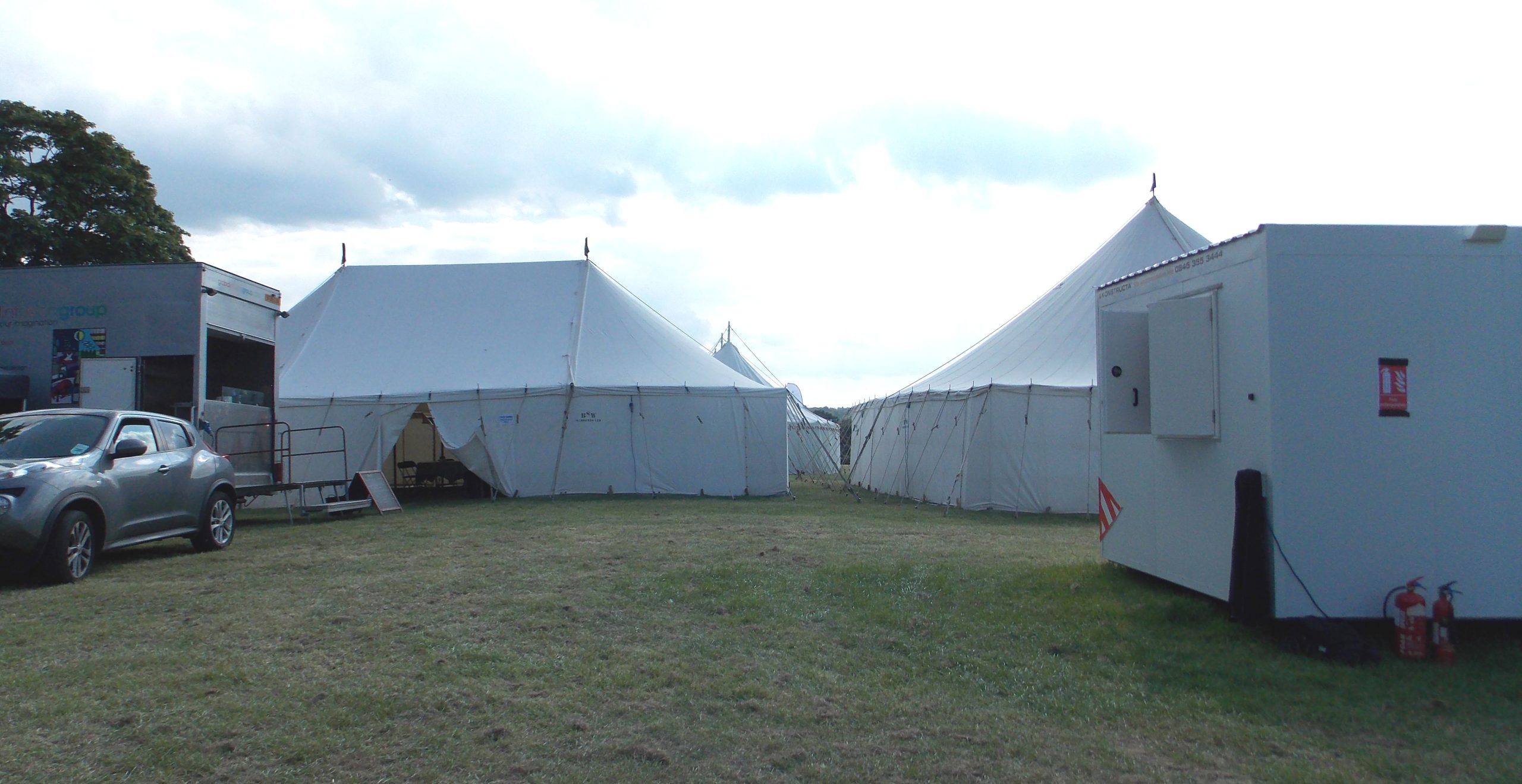

To become a festival food vendor, you need three approvals and one good plan: a place in the event from the organizer, a temporary food permit from the health department where the event is held, any fire or site rules the venue sets, and a menu and booth setup you can run for long hours outdoors. Organizers choose vendors; health departments decide whether you can serve. Treat those as separate tracks, start both early, and the rest of the work becomes logistics.
Key takeaways
- Choose events that match your food, your crew size and your stamina.
- Apply to organizers early, then apply for the temporary food permit by the health department’s deadline.
- Expect to need a working handwashing station, overhead cover and a plan for wastewater.
- Festival menus should be short, fast and built for holding food safely.
- Review every event afterward so you know which ones are worth repeating.
Step 1: Pick the right festivals
Not every crowd is your crowd. Before applying, ask each organizer:
- How many people attend, and over what hours?
- How many food vendors are booked, and what do they sell?
- Is power, water or ice provided, or do you bring your own?
- What are the setup and teardown times?
- Is the event indoors, outdoors, or both?
A small craft fair with three food vendors and a large music festival with forty are different businesses. Start with events close to home and of a size your team can handle.
Step 2: Apply to the organizer
Organizers usually run their own vendor application, and many work with the health department on your behalf. Fairfax County, Virginia’s temporary food event guidance shows how this works: the event coordinator must give the health department a list of participating food vendors with contact information and a layout map showing toilets and waste disposal. Being on that list is your first goal.
Send a clear menu, a photo of your setup, and details of your equipment and power needs. Organizers favor vendors who make their job easy.
Step 3: Get your temporary food permit as a festival food vendor
Once accepted, apply for a temporary food permit with the health department covering the event location, which may not be your home county. Deadlines vary. Fairfax County asks vendors to apply at least ten days before the event and to post the permit where the public can see it. Henrico County, Virginia’s temporary foodservice permit page defines a temporary food establishment as one operating for no more than 14 consecutive days in connection with a single event, and says a temporary restaurant shall not operate until a permit is issued.
Many departments also check that someone on site understands food safety; our explainer on food handler certification covers the credentials involved.
Step 4: Set up a booth that meets the rules
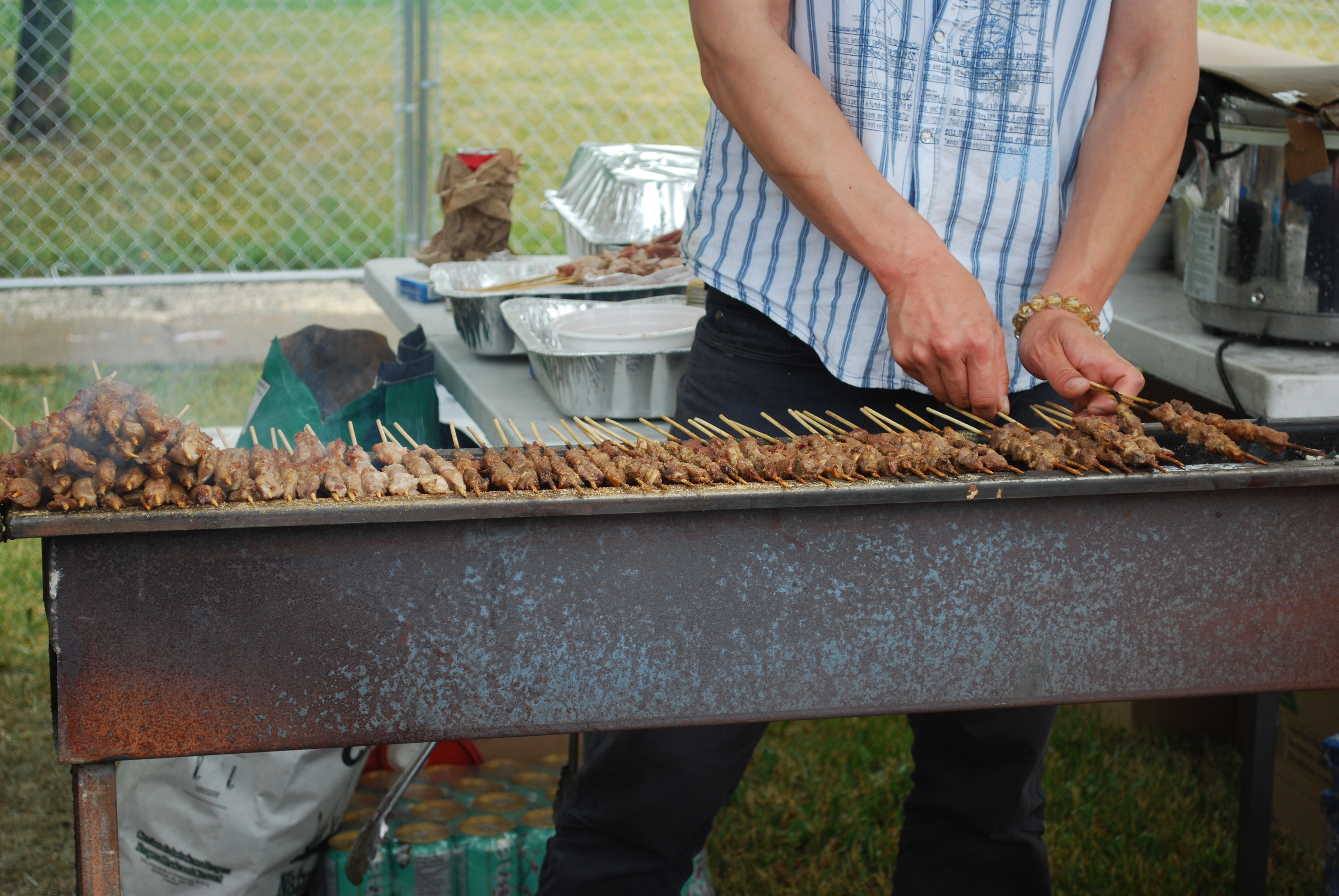
Health departments publish booth requirements, and they are more detailed than first-time vendors expect. Vermont’s guidance on temporary food service at events is a good model. It says a handwashing station must always be in place while you operate, and that vendors without one will be asked to close. It also requires overhead cover such as a tent or canopy, a floor cover such as mats or a removable platform, covered trash containers, water from an approved source, and wastewater disposal into an approved system rather than onto the ground or down storm drains.
| Booth item | Why it matters |
|---|---|
| Handwashing station | Required in many places; without it you may be closed |
| Overhead cover | Protects food and equipment from weather and debris |
| Floor cover on grass or gravel | Controls dust and allows cleaning |
| Covered trash and wastewater containers | Keeps pests away and meets disposal rules |
| Cold and hot holding equipment | Keeps food at safe temperatures for hours |
| Probe thermometer and sanitizer test strips | Lets you check cooking and cleaning as you go |
Step 5: Build a festival menu
Long lines punish complicated menus. Aim for a handful of items that share ingredients, can be finished in under a minute, and hold well. Offer one item that is easy to eat while walking. Decide your portion sizes and packaging before the event, and make sure everything fits your hot and cold holding capacity for the full day.
Step 6: Plan logistics, then review every event
Make a packing list and use it every time. Include spare gas or fuel where permitted, extension cords rated for outdoor use if power is supplied, extra ice for hot days, and backup cash and card payment options. Schedule at least two people so someone can take breaks, restock and handle the handwashing station without leaving the line unattended.
If you are used to cooking in someone else’s kitchen, the planning habits from our pop-up restaurant walkthrough carry over well.
After each event, take stock within a day: note what sold, what was wasted, how long the line got and whether the organizer delivered what they promised. Keep a simple score for each event. After a season you will know which festivals deserve your weekends.
Frequently asked questions
Do I need a permit for every festival?
Usually yes, because temporary permits are often tied to a specific event or location. Some jurisdictions offer annual temporary permits. Check with the health department where each event is held.
Can I sell home-baked goods at festivals?
Sometimes, depending on your state’s cottage food and event rules. Some places allow certain home-made, non-perishable foods at events; others require a licensed kitchen. Ask the local health department before applying.
What if it rains?
Your overhead and floor covers matter even more. Ask organizers about their weather policy and whether vendor fees are refundable, and plan a menu that will not go to waste if crowds stay away.
Start with one event
Pick one local festival for next season, read its vendor application, and call the health department that covers its location to ask about the temporary permit. Those two documents will tell you exactly what to prepare. More on events, games and leisure is in our leisure and games section.