

Running a pop-up restaurant means borrowing what a permanent restaurant owns: a kitchen, a dining room, a permit and an audience. The work is in arranging those pieces in the right order. Find a host venue first, confirm with the health department whether the host’s permit covers your event or you need a temporary one, design a menu around the equipment you will actually have, sell seats in advance, then run a tight service and a proper cleanup. The walkthrough below follows one hypothetical dinner from start to finish.
Key takeaways
- Secure a host venue with a permitted kitchen before you announce anything.
- Ask the health department, in writing, whether you need your own temporary permit.
- Temporary permit applications often have deadlines of several days before the event.
- Build the menu around the host’s equipment, not your ideal kitchen.
- Sell seats ahead so you can buy and prep to a known number.
The scenario
Say you are a capable cook with a few years of line experience and a dish style you want to test with paying guests. A neighborhood café closes on Monday evenings and the owner is open to renting out the space. You want to serve one seated dinner for a modest number of guests, with a set menu and no alcohol sales of your own.
Nothing here requires a lease. Everything here requires permission.
Step 1: Agree terms with the host
Before you pick a date, sit down with the owner and cover the basics in writing:
- Which equipment, storage and fridge space you may use, and which you may not touch.
- Arrival and departure times, including cleanup.
- Who is responsible for breakages, and whether your insurance or theirs applies.
- How the space must be left, and who checks it.
- Whether the owner or their staff will be on site.
A one-page agreement is enough. What matters is that both of you have read the same version.
Step 2: Check what the pop-up restaurant needs from the health department
Rules for one-off events vary, and the category your dinner falls into is for the health department to decide. Henrico County, Virginia offers a useful example on its temporary foodservice permit page. It defines a temporary food establishment as one operating for no more than 14 consecutive days in connection with a single event, says applications must reach the health department at least ten days before the event, and says the person in charge must be a certified food protection manager or answer the inspector’s food safety questions. It also notes that a business already holding a state food establishment permit generally does not need an extra one if all food is prepared under the regulations, but that a temporary permit is needed if the event operation differs from approved plans.
Fairfax County’s temporary food event guidance sets a similar ten-day lead time and requires the permit to be posted where the public can see it.
Your situation sits between those cases: you are a separate operator using someone else’s permitted kitchen. Describe exactly that to your local health department and ask which permit applies. Our explainer on food handler certification covers the training side, which many departments check at events.
Step 3: Build the menu around borrowed equipment
Walk the kitchen with the owner and list every burner, oven, fridge shelf and hand sink you can use. Then design the menu backwards from that list.
| Constraint | Menu choice that fits |
|---|---|
| Limited oven space | One baked course, the rest on the stove or served cold |
| Small fridge share | Prep components in stages; avoid dishes with many chilled parts |
| No dish machine overnight | Fewer plate changes; share platters where it suits the food |
| One hand sink near the line | Keep plating to a small team at one station |
| Short setup window | Courses that are mostly prepped before guests arrive |
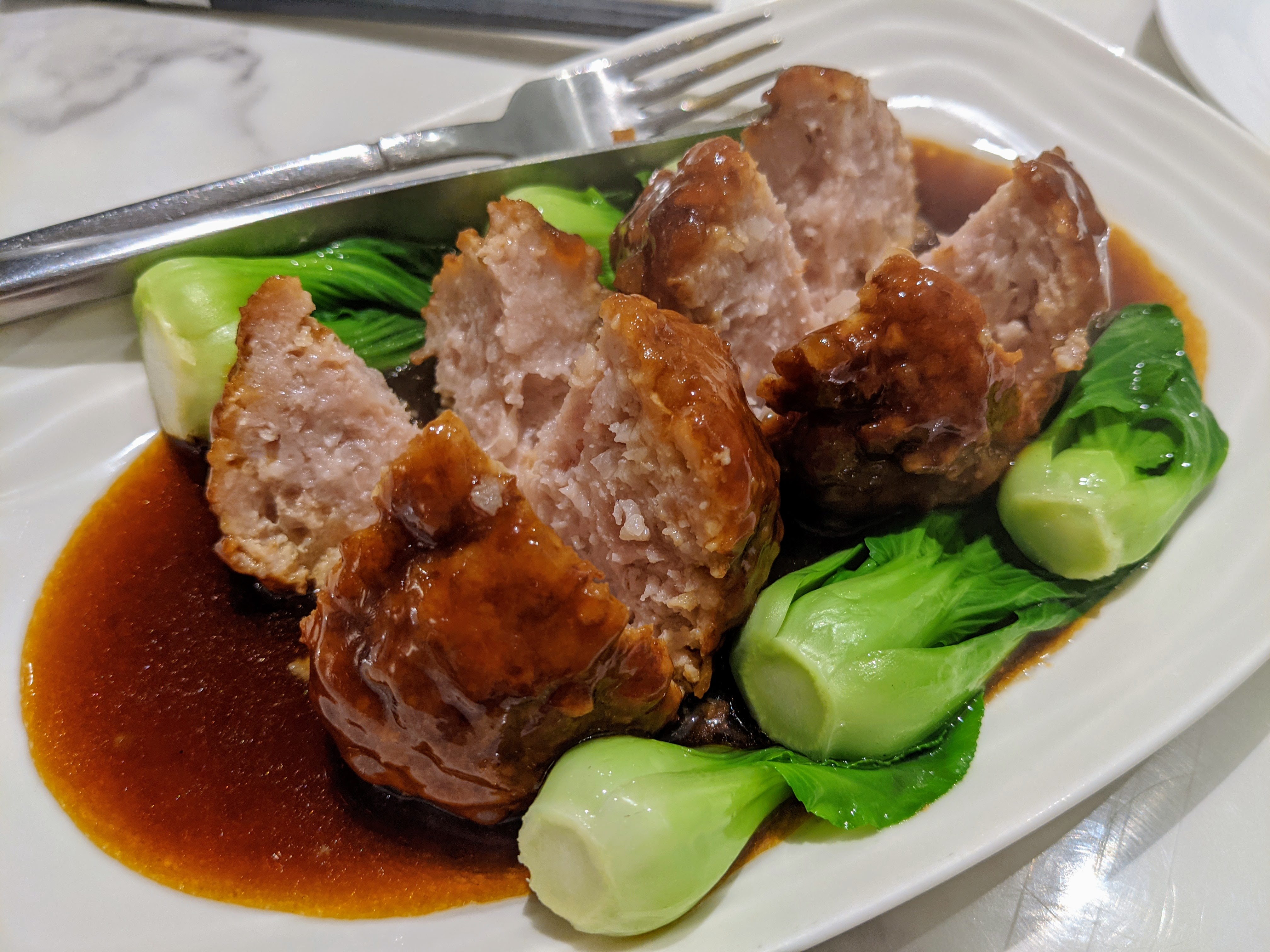
Step 4: Sell seats before you shop
A set menu at a set time lets you sell tickets in advance, which means you buy ingredients for a known number. Cap the guest count at what the room and kitchen can handle, not at what you hope to sell. Collect dietary needs and allergies when guests book, so you are not improvising substitutions mid-service.
If the host normally sells drinks, agree in advance how that works. Alcohol is licensed separately from food, and the rules belong to your state or local licensing authority, so do not assume you can bring or sell anything without checking.
Step 5: Run service, clean up and debrief
On the day, arrive early, set up your station, check fridge temperatures and confirm the hand sink is stocked. Keep the permit or the host’s posted permit visible if your health department requires it. Serve on a fixed timeline so the kitchen is never waiting on the dining room or the other way round.
Cleanup is part of the event, not an afterthought. Leave the kitchen as you found it, take your waste with you if agreed, and walk the space with the owner before you leave.
The next morning, write down what sold out, what was left over, where service slowed and what guests asked about. If the host would have you back, settle the next date while the first one is fresh. Over time, those notes tell you whether a pop-up is a stepping stone toward premises of your own, a topic we compare in food truck vs restaurant.
Frequently asked questions
Do I need my own permit if the host restaurant already has one?
Sometimes not, sometimes yes. Some jurisdictions accept the host’s permit if the operation matches its approved plans; others treat you as a separate operator. Ask your health department and keep its answer in writing.
How far ahead should I plan a pop-up restaurant?
Allow enough time for the permit deadline, ticket sales and a menu test. Several health departments ask for temporary permit applications at least ten days before an event, and yours may want more.
Can I prep food at home for a pop-up?
Usually not for a public event. Health departments generally require food served to the public to come from an approved kitchen. Confirm with your local department before planning any home prep.
Your first move
Make a shortlist of three venues that close on a quiet evening, then call your health department with one specific question: what permit would I need to cook and serve a ticketed dinner in another business’s kitchen? That answer shapes everything else. More guides for temporary and market trading are in our pop-ups and markets section.