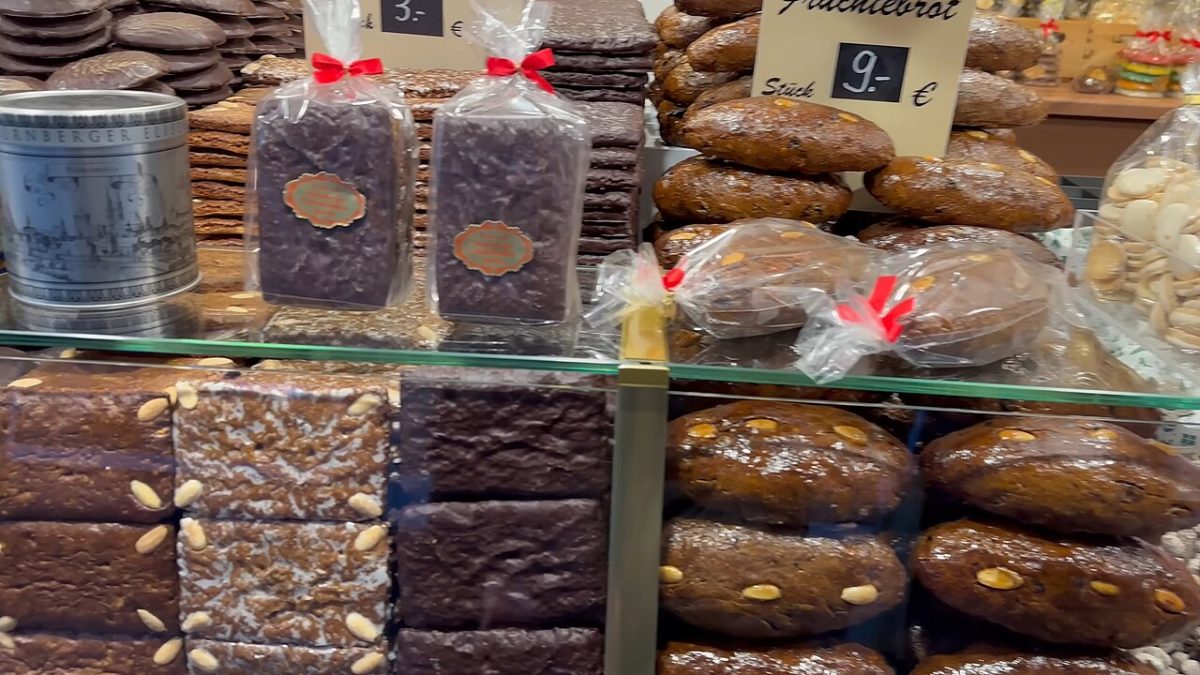
Becoming a Christmas market vendor as a food seller means planning four things well ahead: getting accepted by the organizer, holding the right temporary food permit, setting up a stall that works in cold and dark conditions, and packing a menu that sells fast. Holiday markets can be some of the busiest days of a small food business’s year, but most organizers close applications weeks or months before opening day, and health departments often want permit forms in before the event too.
Key facts
- Apply early: many holiday markets fill their food spots well before December.
- Food sold at a public event usually needs a temporary food permit, separate from your usual license.
- Cottage food rules may or may not cover market sales; check your state before you commit.
- Cold weather does not replace temperature control: hot food still needs hot holding and cold food still needs cold holding.
- Plan handwashing, lighting, weatherproofing and card payments before the first shift.
How do you become a Christmas market vendor?
- Find markets that fit. Look at city-run holiday markets, church and school fairs, brewery and winery markets, and downtown association events. Visit one this season if you can, to see the crowd and how food stalls are placed.
- Read the vendor pack. Most organizers list fees, stall sizes, power, opening hours, insurance requirements and food rules in an application pack.
- Apply with good photos. Organizers balance the mix of stalls, so show what makes your food different and how you will present it.
- Confirm what you are allowed to sell. Some markets limit how many vendors sell the same item, such as hot chocolate or mulled drinks.
- Get paperwork in on time. That usually means your permit application, proof of insurance and any sales tax registration the organizer asks for.
What permits does a Christmas market food vendor need?
Rules are local, but the usual pieces are:
- A temporary food establishment permit from the health department for the county or city where the market is held. Many departments want the application in a set number of days before the event.
- Your base license or cottage food registration. Some cottage food laws allow sales at events; others limit where and how you sell. Our cottage food laws explainer covers the main differences.
- Sales tax registration in the state where you sell, if your food is taxable there.
- Fire safety approval if you use propane, open flames or heaters in or near a tent.
- Liability insurance naming the organizer as an additional insured, if they ask for it.
The SBA’s guide to licenses and permits is a good starting point for working out which agencies to contact. Our temporary food event safety checklist walks through what inspectors look for on the day.
What sells well at a holiday market?
Holiday shoppers browse in the cold, often with gloves on and bags in hand. Food that does well tends to be:
- Warm and quick: soups, toasted sandwiches, roasted nuts, hot drinks, anything you can hand over in under a minute.
- Easy to eat standing up: one-hand items in a cup, cone or paper sleeve.
- Giftable: boxed cookies, jars, sweets and baked goods that travel well and last a few days.
- Seasonal: gingerbread, spiced flavors and limited-run specials give people a reason to buy now.
Keep the menu short. Three to five items with clear prices moves the queue faster than a long board, and it keeps your prep and stock simpler.
How should you set up a stall for cold, dark evenings?
- Lighting. Many holiday markets run after dark. Bring battery or mains lights for the menu, the counter and your work area.
- Weatherproofing. Weighted gazebo legs, side walls and tarps for rain or snow. Ask the organizer about wind rules.
- Power. Confirm what power is supplied and what load it can take before you plan kettles, warmers or urns.
- Handwashing. Most temporary food permits ask for a handwashing station with warm water, soap, paper towels and a waste bucket. The CDC explains when and how to wash hands.
- Floor and layout. Keep a clear work zone behind the counter and keep stock off the ground.
For a full kit list, see our market stall equipment guide.
Food safety in the cold
Cold air helps with comfort, but it is not a substitute for temperature control. Keep cold food in coolers or refrigerated units and check it with a probe thermometer through the day. Hot food needs proper hot holding, because a soup pot on a cold evening can drop into the danger zone faster than you expect. The FDA’s safe food handling basics, clean, separate, cook and chill, apply at a market stall just as they do in a kitchen.
- Pack raw and ready-to-eat items separately.
- Bring spare utensils, gloves and sanitizer.
- Label allergens clearly on signs and on packaged goods; our food labeling checklist shows what to include.
Payments, pricing and stock
- Take cards and phone payments, and bring a backup way to take payment if the signal is weak.
- Keep a cash float with plenty of small change.
- Price in round numbers so transactions are quick.
- Count your stock and takings at the end of each day, so you know what to make for the next one.
- Factor in the stall fee and your time when you set prices, not just ingredients.
Packing down and following up
Leave your pitch as clean as you found it, take your grey water and waste away if the organizer asks, and note what sold out and what did not. Ask for the organizer’s dates for next year and their spring and summer markets; a good holiday season is often the easiest way into the rest of the market calendar. Our guide to setting up a farmers market stall covers the year-round version.
Frequently asked questions
How far ahead should I apply to a Christmas market?
As early as the organizer allows. Larger markets often open applications in late summer or early autumn, and food spots are usually limited.
Do I need a permit to sell baked goods at a Christmas market?
Usually some form of permission is needed, either a temporary food permit or a cottage food registration that covers event sales. Ask the health department for the county where the market is held.
Can I sell hot drinks at a holiday market?
Often yes, but the organizer may limit the number of drinks vendors, and alcoholic drinks need separate licensing. Confirm both before you plan your menu.
Do I need insurance to be a market vendor?
Many organizers ask for general liability insurance and a certificate naming them as additional insured. Even when it is not required, it is worth having.
How much stock should I bring?
Start from the organizer’s expected footfall and your own records from similar events, then bring a little extra of your best seller. Track sales by hour so you can plan the next day.
Summary
Apply early, sort your temporary food permit, build a stall that works in cold and dark weather, keep food safety tight and run a short, warm menu. Done well, a holiday market can be one of the best weeks of the year for a small food business. See all our pop-up and market guides.
Featured photo: Lebkuchen and gingerbread loaves on display at a Christmas market stall by Asif Masimov, CC BY 4.0, via Wikimedia Commons.