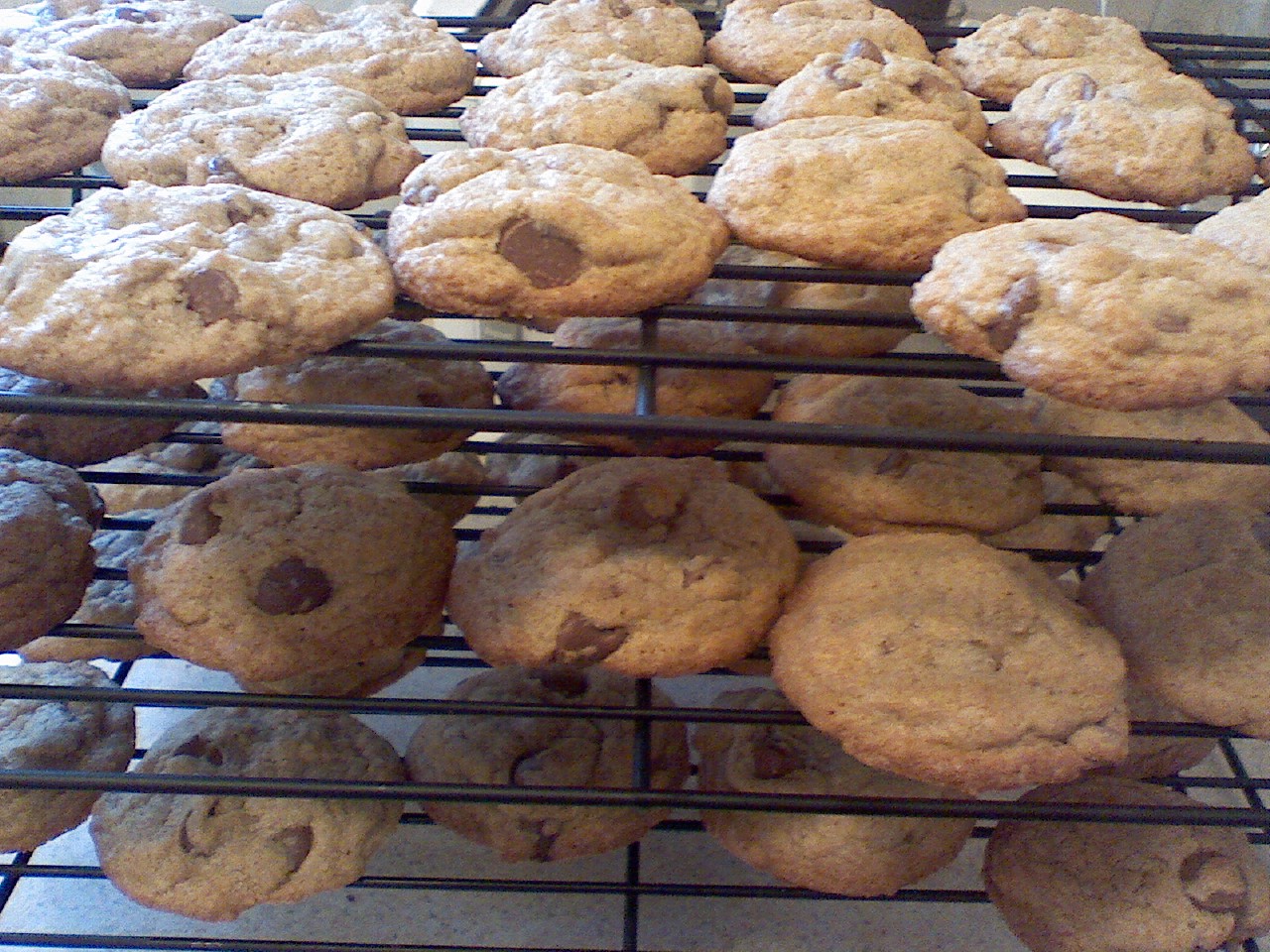

Cottage food laws are state rules in the United States that let people make certain lower-risk foods in their home kitchens and sell them without a full commercial food license. They usually cover items such as many baked goods, candies and jams, and they set conditions on where you can sell, what your labels must say and what training you need. The details vary so much between states that the only reliable answer for your kitchen comes from your own state and county. The examples below show what to look for.
Key takeaways
- Cottage food rules are set state by state, and some counties add their own approvals.
- Most focus on foods that do not need refrigeration for safety.
- Labels usually must say the food was made in a home kitchen.
- Training, registration and sales limits differ widely.
- The UK has no equivalent cottage food law; home food businesses register with their council like any other.
What cottage food laws are for
Commercial kitchens are inspected because the foods they make can carry real risks. Cottage food laws carve out a narrower space: foods considered less likely to cause illness if handled properly at home. In exchange for lighter regulation, you accept limits on what you make, how you sell it and how much you sell.
California’s approach, as summarized by Alameda County’s cottage food operation page, allows approved non-potentially hazardous food products to be prepared at home for direct or indirect sale, and says all products must appear on the state health department’s approved food list.
How two states compare
Texas takes a different route. Its health department’s cottage food production page allows any foods except listed exclusions, which include meat and poultry, seafood, low-acid canned goods and raw milk products, and it requires extra steps for foods that need time and temperature control for safety.
| Topic | California (via Alameda County) | Texas |
|---|---|---|
| Which foods | Only items on the state’s approved list | Any foods except listed exclusions |
| Sales channels | Class A: direct sales only; Class B: direct and through permitted retailers | Direct to consumers, including farmers’ markets; online with personal delivery |
| Local approval | County environmental health and city planning approval | Local health departments may not require a license or permit for production |
| Training | Food handler card certificate submitted with the application | Basic food safety course for the operator |
| Labels | Prepared, packaged and labeled per state law, plus allergen rules | Name, address or ID number, product name, allergens, private residence statement |
| Sales limits | Gross annual sales limits apply | Annual gross income threshold in the definition |
The table is a snapshot of two official pages, not legal advice. Both states have changed their rules in recent years, so check the current pages before you plan.

Labels and training under cottage food laws
Labeling is where many home bakers slip. Texas requires the operation’s name, its address or registration number, the product’s common name, major food allergens, and a statement that the product was produced in a private residence that is not subject to governmental licensing or inspection. Foods that need time and temperature control also need a production date and safe handling instructions.
Training is common. Texas requires the operator to complete a basic food safety course; Alameda County asks applicants to submit a food handler card certificate. Our explainer on food handler certification covers what those courses involve.
Where you can sell
Most cottage food laws favor direct sales: from home, at markets, at events or through personal delivery. Some allow sales through shops or cafés under a separate class or permit. If you plan to sell at markets, our guide to setting up a farmers market stall covers the practical side.
The UK position
There is no separate cottage food law in the UK. A home-based food business follows the same core rules as any other. GOV.UK guidance on starting a food business says you must register with your local authority at least 28 days before trading, and that home-based businesses should confirm they have permission from their mortgage provider, landlord or local council as needed.
Frequently asked questions
Can I sell cheesecake or cream-filled cakes under cottage food laws?
Often not, because many states restrict foods that need refrigeration for safety. A few states have broader rules with extra conditions. Check your state’s approved or excluded list.
Do I need to register to sell cottage foods?
It depends on the state and sometimes the county. California counties register or permit operators; Texas requires registration only for certain foods. Ask your state or local health department.
Can I sell cottage foods online?
In some states, with conditions. Texas, for example, allows internet sales when the operator or a household member personally delivers the food. Shipping across state lines raises further questions to check with officials.
How to check your own state
Search your state health or agriculture department’s website for “cottage food,” read the current rules in full, and phone the contact listed with any questions about your specific products. Useful questions include:
- Is each product I plan to make on the allowed list, or outside the exclusions?
- Do I need to register, get a permit or pass an inspection before my first sale?
- What exactly must my label say, and in what order?
- Which sales channels are allowed: home, markets, events, shops, online?
- Is there a training course I must complete, and which providers count? Keep a copy of the rules with your recipes. More guides for home-based bakers are in our home bakers section. If you are still deciding whether to start, our guide to starting a food side hustle covers the first steps.