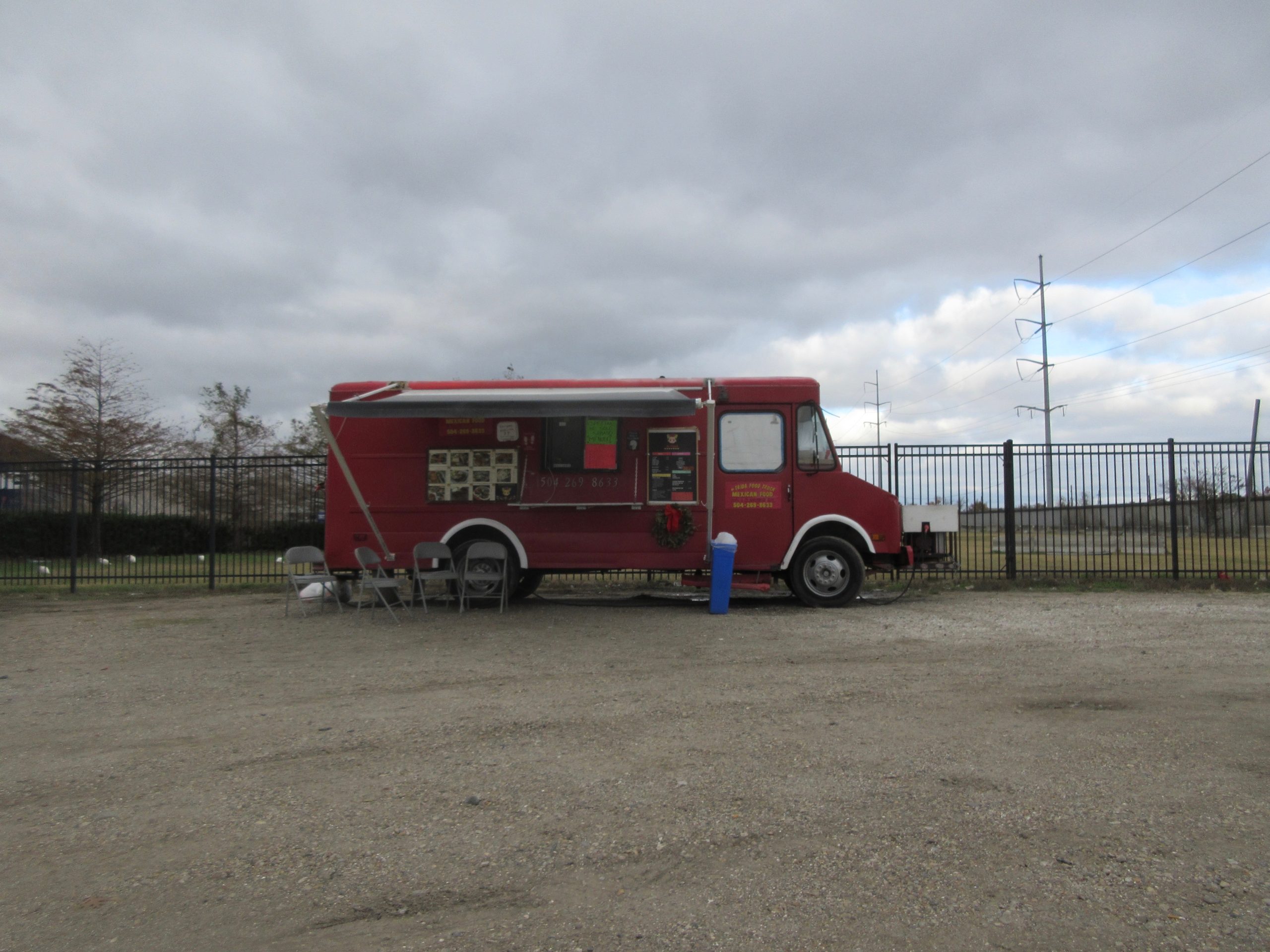

In the food truck vs restaurant decision, the truck usually wins on flexibility and a smaller physical footprint, while the restaurant wins on capacity, menu range and independence from weather and parking rules. Neither is the easy option. A truck trades rent for a different set of obligations, including a base kitchen, vending permits that some cities limit, and daily servicing. A restaurant trades mobility for a fixed address that you must fit out, get approved and fill with customers.
Key takeaways
- Trucks still need a fixed base: many health departments require a commissary or approved servicing location.
- Some cities cap the number of mobile vending permits, so availability can decide the question for you.
- Restaurants go through plan review for the building; trucks go through plan review for the vehicle.
- A truck menu has to fit a small kitchen and fast service.
- Weather, parking rules and events shape a truck’s calendar far more than a restaurant’s.
Food truck vs restaurant at a glance
| Factor | Food truck | Restaurant |
|---|---|---|
| Premises | Vehicle plus a base kitchen or servicing location | A fixed building you lease or own |
| Health approval | Plan review of the unit, then inspection | Plan review of the premises, then pre-opening inspection |
| Permit availability | Can be limited by law in some cities | Rarely capped, but zoning applies |
| Location | Moves, but only where local rules allow | Fixed, so the choice of site is critical |
| Menu | Short, fast, built around limited equipment | Broader, with room for more cooking processes |
| Seating | Usually none of your own | Yours to design and control |
| Weather exposure | High | Low |
| Staffing | Small crew in a tight space | Front and back of house roles |
| Daily routine | Stock, drive, set up, serve, return, clean | Open, serve, close in one place |
The table hides one important point: the details depend almost entirely on your city and county. Use it as a list of questions to ask locally, not as a set of answers.
Premises and the base kitchen
The biggest misunderstanding about trucks is that they remove the need for fixed premises. Often they do not. Porter County, Indiana’s health department guidance on mobile food units and pushcarts says each unit must operate from a commissary for supplies, servicing and cleaning each operating day, unless it is approved as self-contained, and even self-contained units need an approved servicing location for water and wastewater. The same page states that no food service operations are allowed in a private home or living quarters.
So the real comparison is often a vehicle plus a shared or rented kitchen versus a single building. The paths for securing the space and getting it approved run in parallel for each: a truck goes through its own plan review, with a floor plan of the unit, equipment specifications and menu, and must be fully equipped for its pre-operational inspection.
Permits and the availability question
For a restaurant, the hard part is usually finding the right space and getting the fit-out approved. A typical city process, like the one on Manchester, New Hampshire’s plan review and construction page, requires scaled floor plans, an equipment layout and approval from the relevant city departments before construction or opening.
For a truck, the hard part may be the permit itself. New York City states on its mobile food vending unit permit page that the number of permits is limited by law and that there are waiting lists. Not every city works this way, but if yours does, it can make a truck slower to launch than a small restaurant. Ask your city early whether mobile permits are capped and how long the wait is.
Location, customers and the calendar
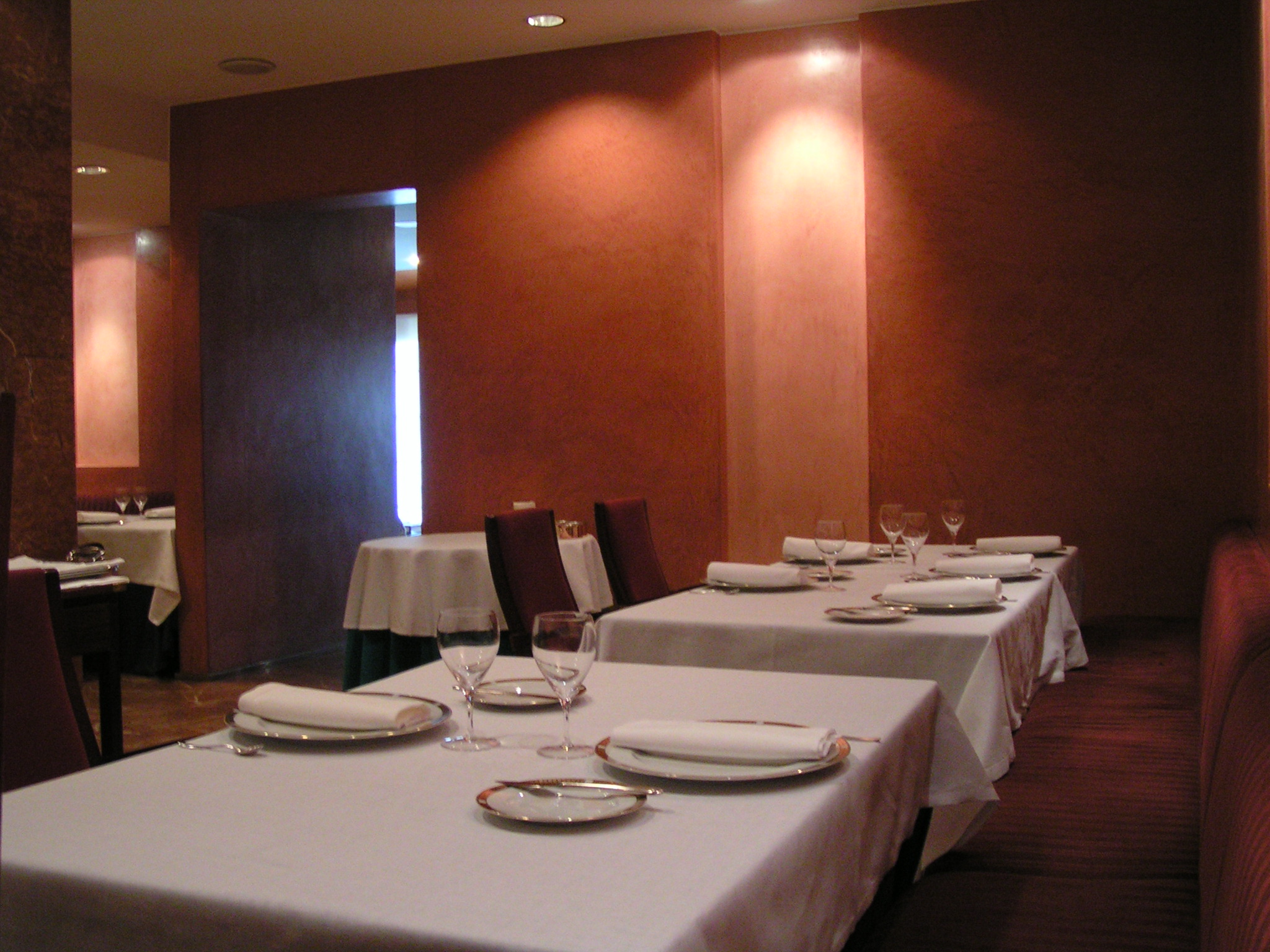
A restaurant’s address does most of its marketing. If the site is right, regulars find you; if it is wrong, there is little you can do short of moving.
A truck can chase demand, but only within the rules on where it may park and for how long, which vary widely by city. A sensible approach is to build a weekly pattern of approved spots, private events and markets, then adjust it by season. That flexibility is real, but so is the work: each new location may need its own permission, and a rained-out day is simply lost.
Menu, kitchen and staffing
A truck kitchen rewards a short menu. Fewer ingredients mean less storage, faster service and simpler cleaning at the commissary. A restaurant kitchen can support more dishes and more cooking methods, but every extra process adds equipment, plan review detail and staff training.
Staffing follows the same logic. A truck often runs with a very small crew working shoulder to shoulder. A restaurant needs people for the dining room as well as the kitchen, and those roles have to be covered for every opening hour. If you are still testing recipes, a lighter start, such as the steps in our guide to starting a food side hustle, can tell you which model your food actually suits.
Frequently asked questions
Is a food truck cheaper to start than a restaurant?
It can be, but the comparison is not as simple as it looks. A truck still needs equipment, a base kitchen arrangement, permits and a reliable vehicle. Get written quotes for both models in your area before deciding.
Can I prepare food for my truck at home?
Generally not. Health departments such as Porter County’s state that food service operations are not allowed in a private home. Check your local rules, but plan on a licensed commissary.
Can a truck turn into a restaurant later?
Some owners treat a truck as a way to test a concept before signing a lease. The restaurant then goes through its own plan review and licensing, as described in our walkthrough on opening a small café.
Choosing between them
Make two short lists: what your city requires for a mobile unit and what it requires for fixed premises. Then add the questions that matter to you, such as whether you want evenings free, whether you enjoy driving and setting up, and whether your food travels well. The model that fits both lists is the right one. More on running a mobile operation is in our food truck section.