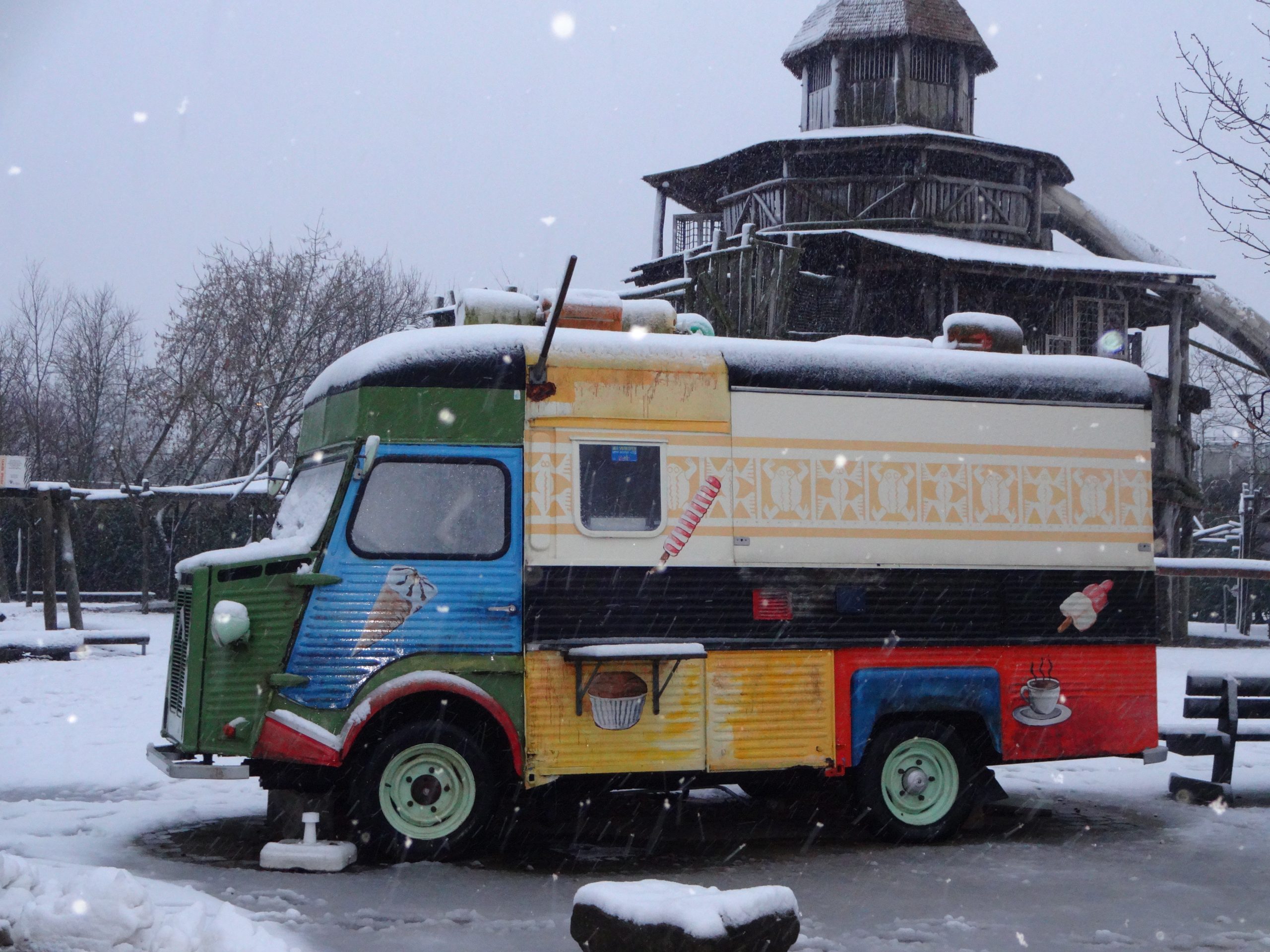

Running a food truck in winter comes down to four things: keeping your team safe in the cold, managing heaters and fuel without carbon monoxide risk, protecting water and equipment from freezing, and adjusting your menu and locations for a quieter season. Some operators close for the coldest months; others find steady trade at indoor-adjacent sites, holiday events and lunchtime office crowds. Either way, preparation matters more in winter than at any other time of year. Use this checklist before the first hard frost, and check your local health department’s rules, which vary by city and county.
Key takeaways
- Plan warm breaks, layered clothing and shorter outdoor shifts for staff.
- Never run generators or fuel-burning heaters in enclosed spaces.
- Protect water tanks and lines from freezing, and know what to do if they do.
- Switch to warm, quick menu items and locations with winter foot traffic.
Staff safety for a food truck in winter
Cold is a workplace hazard, not just a discomfort. The National Institute for Occupational Safety and Health publication Preventing Cold-related Illness, Injury & Death among Workers recommends that employers set up a prevention plan that includes engineering controls, work and rest schedules, training workers about the hazards of working in cold environments, and providing appropriate cold-weather gear.
- Schedule warm breaks. Rotate the person taking orders at the window so nobody stands in the wind all shift.
- Dress in layers. Several loose layers, a hat, waterproof boots and gloves that allow handwashing.
- Watch each other. Anyone who is shivering hard, has numb fingers or seems confused or clumsy needs to get warm right away.
- Keep warm drinks available for the team, not just for customers.
- Train everyone on cold-weather risks before the season starts.
Our standing work ergonomics checklist covers mats and footwear, which matter even more on cold, wet ground.
Heat, fuel and carbon monoxide
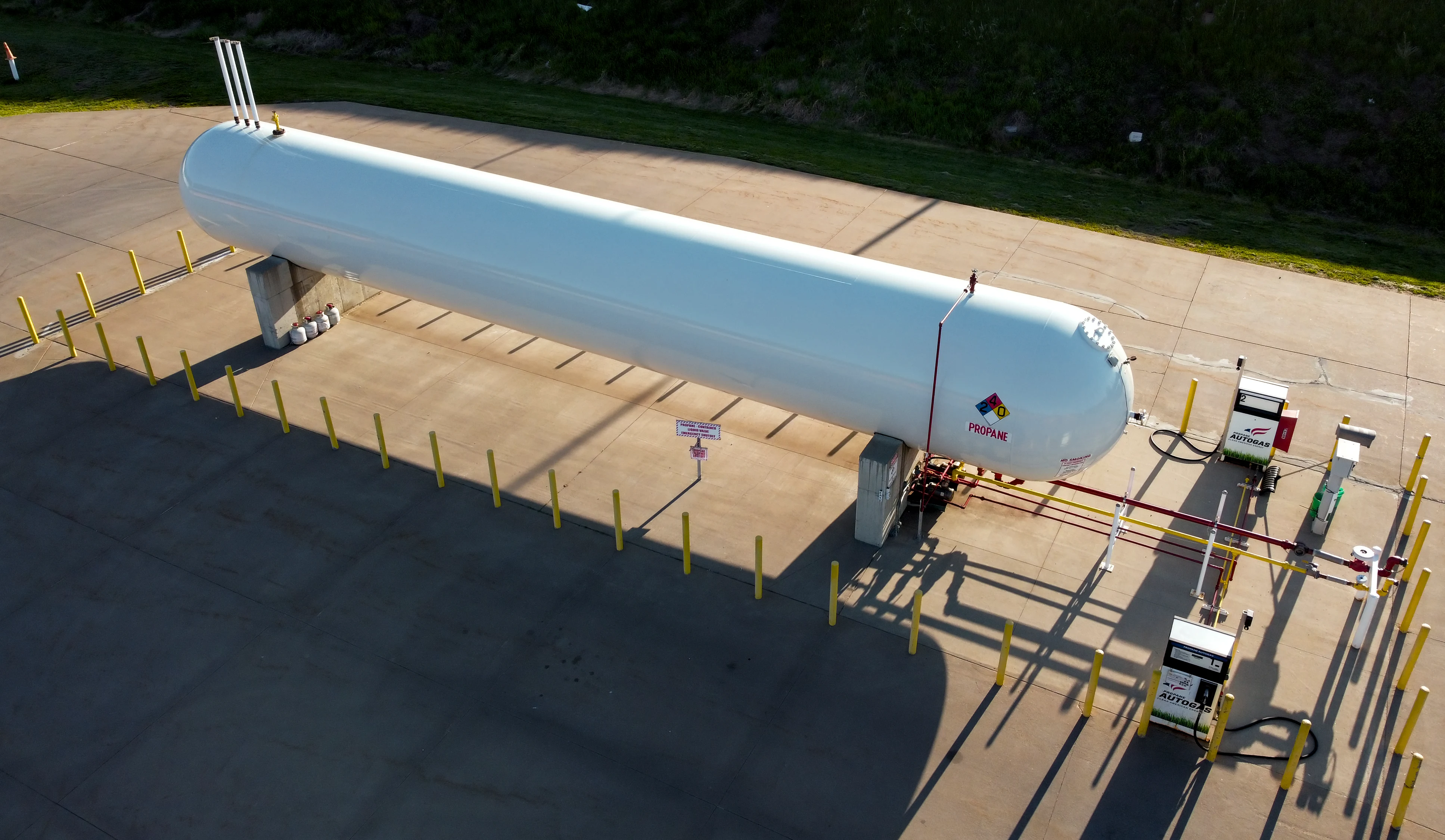
Heaters, generators and gas appliances keep a truck running, but burning fuel produces carbon monoxide. The CDC describes carbon monoxide as an odorless, colorless gas that kills without warning, produced when fuel is burned in engines, stoves, grills and similar equipment. Its guidance on generators is to never use one inside a home or garage, even with doors and windows open.
- Keep generators outside and away from serving windows and vents.
- Install a carbon monoxide detector inside the truck.
- Know the symptoms: headache, dizziness, weakness, nausea and confusion. If anyone feels this way, get them into fresh air and seek help.
- Have gas lines, regulators and fire suppression checked before winter.
Water, equipment and the truck itself
- Insulate water tanks and lines or use heat tape where your equipment allows it.
- Drain lines overnight if the truck is parked in freezing temperatures.
- Check your waste water tank does not freeze before you can empty it at your commissary.
- Test refrigeration and hot-holding equipment, since cold weather can affect performance in both directions.
- Winterize the vehicle: tires, battery, wipers and an emergency kit.
Your commissary may have winter rules for servicing trucks; our explainer on commissary kitchens covers what to ask.
Menu and locations
- Lead with warm, fast dishes such as soups, stews, grilled sandwiches and hot drinks.
- Simplify the menu so service stays quick when customers are standing in the cold.
- Shift locations toward office parks, breweries and event venues with indoor seating nearby.
- Book holiday markets and private events early, as these often keep winter trade steady.
If you need to rework your menu for the season, our guide to planning a food truck menu explains how to build around shared ingredients.
Using the quieter season well
Winter is also the best time for jobs that are hard to fit in during a busy summer:
- Deep clean and maintain equipment. Book servicing for fryers, griddles, refrigeration and the generator while bookings are light.
- Renew paperwork early. Check when your permits, inspections and insurance renew, and start applications for spring events before the deadlines.
- Review the year. Look at which locations, events and dishes sold best, and which cost more time than they returned.
- Train the team. Refresh food safety, allergen and fire safety training so everyone is ready for the spring rush.
- Test new dishes. Try seasonal specials at quieter sites and keep the ones customers come back for.
- Plan time off. If you close for a few weeks, tell regular customers and event organizers well in advance and update your website and social pages.
A quieter month spent on maintenance and planning often makes the busy season smoother and safer.
Frequently asked questions
Should I close my food truck in winter?
It depends on your climate, locations and costs. Some operators close for the coldest weeks, others switch to events and catering. Run the numbers for your own area before deciding.
Can I use a propane heater inside the truck?
Fuel-burning heaters produce carbon monoxide. Follow the manufacturer’s instructions, your fire marshal’s rules and use a carbon monoxide detector. Never use generators inside.
What if my water lines freeze?
Stop serving food that needs running water for handwashing or cleaning until the lines are working, and contact your local health department if you are unsure what is allowed.
Getting through the cold months
Plan staff safety, keep fuel-burning equipment safe, protect your water and equipment from freezing, and adapt your menu and locations. With preparation, a food truck in winter can stay safe and keep earning. For more on mobile food, see our food truck guides.