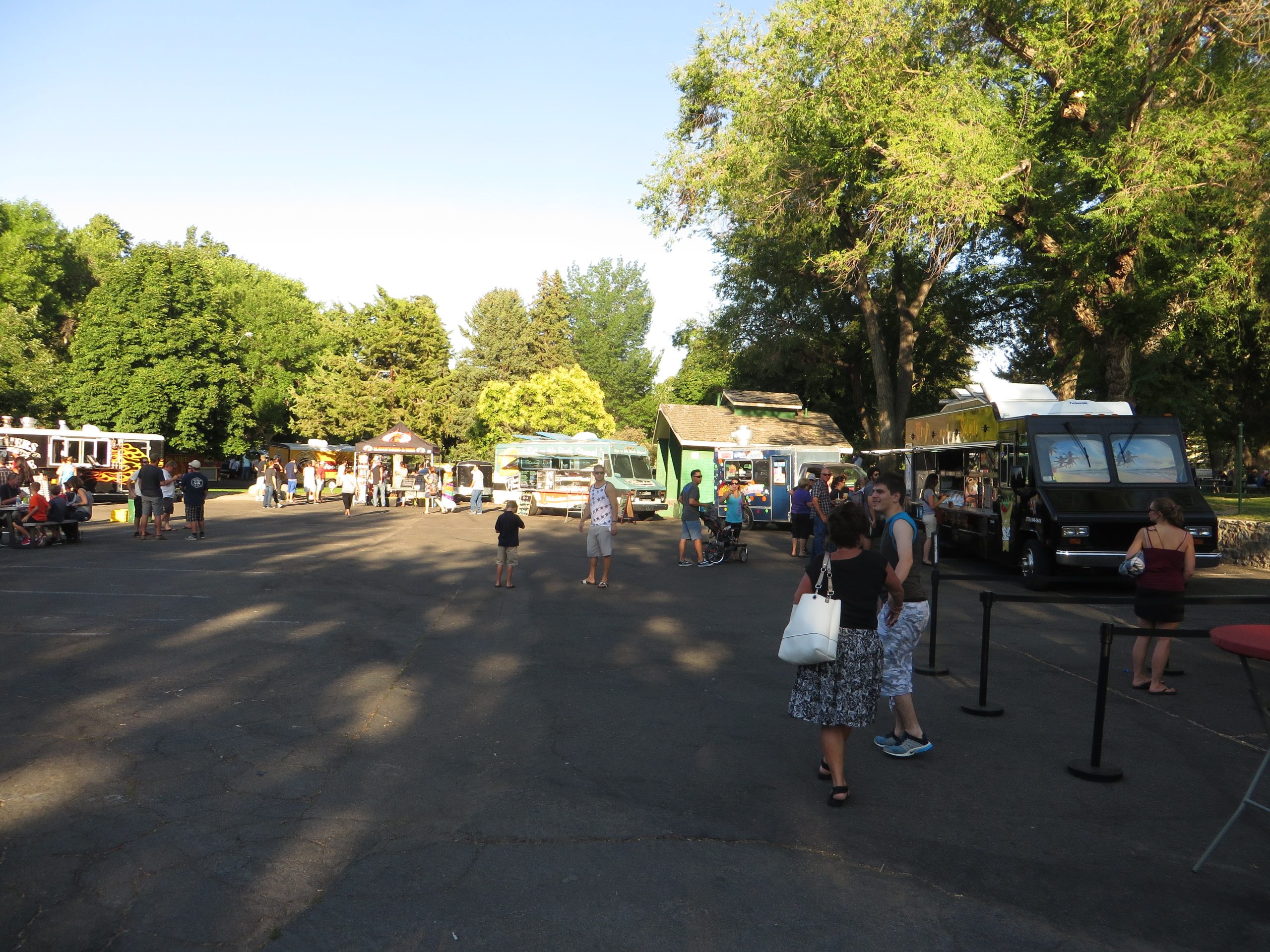

Food truck permits usually come from three directions: a business license and vending license from your city or county, a health permit for the unit, and a fire safety approval, plus written permission for each place you park. Location rules then decide where and when you may trade, such as distance from restaurants, residential zones and opening hours. The checklist below groups the items most jurisdictions ask about, using real examples from public codes. Your city’s list will differ, so use this as a set of questions to take to your local licensing, health and fire offices.
Key takeaways
- Expect separate approvals from licensing, health and fire authorities.
- Many cities want written permission from the property owner for every location, often including restroom access.
- Location rules can restrict residential zones, distance from restaurants and operating hours.
- Fire safety checks focus on propane, extinguishers, clearances and staff training.
- Keep every permit and letter on the truck, and track renewal dates.
Business and vending licenses
The U.S. Small Business Administration’s guide to licenses and permits notes that local governments set their own registration, licensing and permitting rules, that zoning is typically controlled locally, and that some permits expire, so you should track renewal dates.
- Find out whether your city requires a general business license and a separate mobile vending license.
- Ask whether licenses are valid per calendar year or from the date of issue.
- Check how the license must be displayed on the truck.
- Register for any state or local taxes that apply to your sales.
- Confirm vehicle registration is current; some applications ask for proof.
For the wider set of registrations a new food business may need, see our food business licenses and permits checklist.
Health permit and plan review
- Apply for a mobile food unit permit with the health department that covers your base or operating area.
- Submit the menu, equipment list and drawings the plan review asks for. Our guide to planning a food truck menu explains why the menu and equipment need to match.
- Provide a signed commissary or servicing area agreement if your jurisdiction requires one. Our explainer on how commissary kitchens work covers what they provide.
- Book the pre-operational inspection and keep the permit on board.
- Ask whether operating in another county or city needs a separate health approval.
Fire safety approval for food truck permits
Fire officials often inspect trucks separately from health inspectors. The National Fire Protection Association’s food truck safety fact sheet, published by the City of Philadelphia, lists items drawn from NFPA codes. Among them:
- Obtain the license or permits required by local authorities.
- Keep a clearance of at least 10 feet from buildings, structures, vehicles and combustible materials.
- Make sure fire department access roads, hydrants and fire department connections are not blocked.
- Have portable fire extinguishers selected and installed in cooking areas in line with NFPA 10.
- Inspect gas systems before each use, leak-test new connections and those affected by a container swap, and document the tests.
- Keep propane containers upright and secured, with the main shutoff valve easy to reach.
- Refuel generators only outside operating hours, after shutting them down, and keep generators separated from the public.
- Train staff to use extinguishers, shut off fuel and do a simple gas leak test.
The fact sheet itself says it is not a complete list of requirements, so ask your local fire marshal what they inspect.
Location permission and site rules
Each spot you trade from can carry its own conditions. The City of Lake Stevens, Washington, gives a clear example in its mobile food vending application, which sets out its municipal code rules:
| Rule in the Lake Stevens code | What to ask your own city |
|---|---|
| Written permission from the property owner for each proposed location, including restroom use for employees | Do I need a letter per site, and must it cover restrooms? |
| A site plan showing vehicle access, unit placement, signs and accessories | What drawings are required for each location? |
| A public property agreement for parks, rights-of-way or other public land | Can I trade on public land, and under what agreement? |
| No vending in residential zones and abutting rights-of-way | Which zones allow mobile vending? |
| No location within 150 feet of a restaurant without the restaurant owner’s written permission | Is there a distance rule from restaurants? |
| Operating hours limited to 7:00 a.m. to 11:00 p.m. | What hours are allowed? |
| Site left clean each day, including litter within 100 feet of the unit | What are my cleanup duties? |
- Get written permission from every property owner before you advertise a location.
- Confirm restroom access in writing if your city requires it.
- Check zoning maps for each site.
- Do not block sidewalks, fire lanes or parking lot circulation with the truck, queues or furniture.
On-board paperwork
- Business and vending licenses, displayed as required.
- Health permit and latest inspection report.
- Fire inspection approval and gas leak test records.
- Commissary agreement and property owner letters.
- A calendar of renewal dates for every permit.
Frequently asked questions
Do I need new permits to trade in a neighboring city?
Often, yes. Licensing, zoning and sometimes health approvals are local, so trading across a city or county line can mean another application. Ask each jurisdiction before you book events there.
Can I park on any street where parking is legal?
Not necessarily. Many cities restrict vending by zone, distance from restaurants or time of day, even where parking itself is allowed. Check the vending rules, not just the parking signs.
How long does approval take?
It varies widely by city and season. Start with the health plan review, since equipment changes can be needed, and leave time for fire inspection and location letters.
Turn the list into your plan
Copy these items into a spreadsheet, add the office and contact for each one in your city, and work through them in order: licensing, health, fire, then locations. Keep copies of everything in the truck. More practical guides are in our food trucks section.