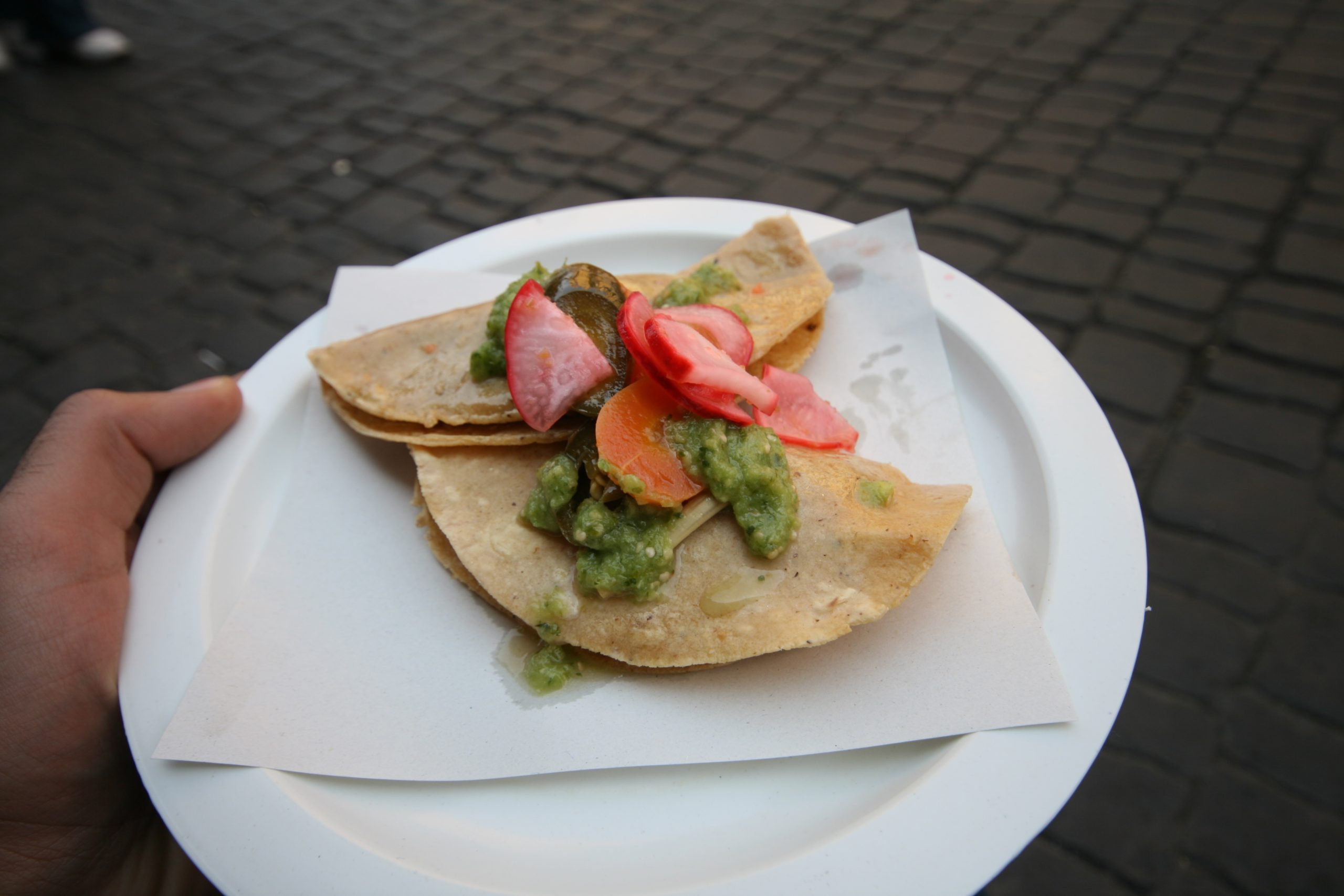

A good food truck menu is short, built from a small set of shared ingredients, and designed around what your truck’s equipment can cook and hold safely. It also has to survive plan review: many health departments ask for your full menu before they approve the unit, and they may require allergen information and written warnings for raw or undercooked foods. The six steps below take you from a rough list of dishes to a menu you can serve fast from a cramped kitchen and defend to an inspector. Rules differ by state and county, so confirm the details with your local health department.
Key takeaways
- Expect to submit a complete menu to the health department as part of plan review.
- Fewer items built from shared ingredients make storage, prep and service easier.
- Every dish must be cookable and holdable with the equipment on board or at your commissary.
- Know which of your dishes contain the nine major allergens recognized in the United States.
- Raw or undercooked animal foods usually trigger a written consumer advisory.
Step 1: Start with your customer and your service window
Before you list dishes, decide where you will park and who will be in line. Office lunch crowds want speed. Evening events and breweries may allow slower, more elaborate plates. Your menu has to fit the time a customer is willing to wait at the window.
If you are still deciding between a truck and a fixed site, our comparison of a food truck vs a restaurant sets out how the two models differ on space, staffing and flexibility.
Step 2: Keep the food truck menu short and cross-use ingredients
A truck has limited cold storage, limited prep counter and usually one or two people cooking. Every extra ingredient takes up space and adds a chance of running out or wasting stock.
A practical approach:
- Pick a small core of proteins, starches, sauces and fresh garnishes.
- Build each dish from mostly those items, so one container of salsa or pickled vegetables serves three dishes rather than one.
- Add one rotating or seasonal item instead of expanding the permanent list.
- Cut any dish that needs a unique ingredient used nowhere else, unless it is a clear bestseller.
This also makes training easier and keeps the ticket times predictable on a busy day.
Step 3: Match every dish to your equipment and plan review
Many health departments review the menu alongside the truck’s design. Utah’s administrative code, for example, requires a newly built or pre-construction mobile food business to submit plans including a complete list of intended menu items and the anticipated volume of food. The same rule says plan review is needed again before changing the food served or operations in a way that changes the risk assessment.
That has two practical consequences. First, design the menu before you finalize equipment, so the griddle, fryer, refrigeration and hot-holding units on board match what you plan to cook. Second, treat big menu changes as something to clear with the health department, not just a new chalkboard.
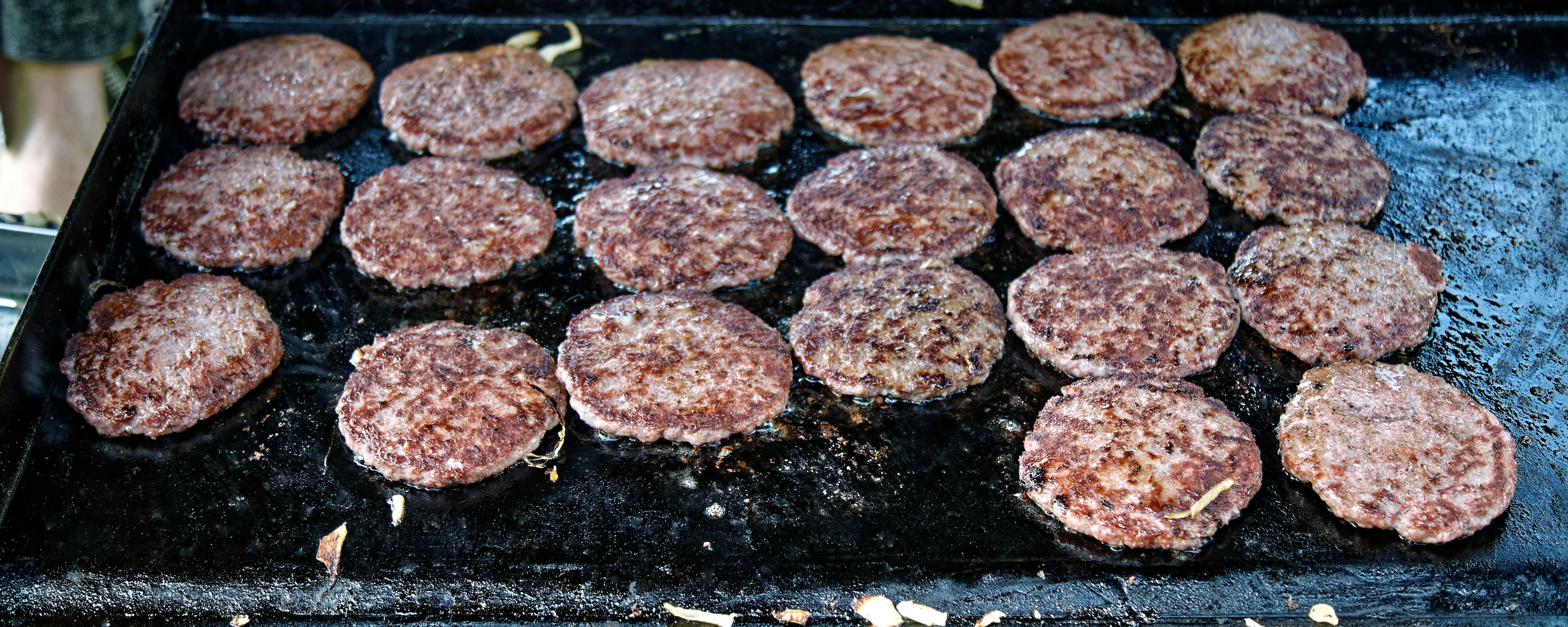
If some prep has to happen off the truck, it happens at an approved base. Our explainer on how commissary kitchens work covers what can be done there.
Use a simple grid to test each dish:
| Question for each dish | Why it matters |
|---|---|
| Which equipment cooks it, and is that equipment on the truck? | Plan review compares the menu to the equipment list |
| Can it be held hot or cold safely between orders? | Holding space on a truck is tight |
| What prep happens off the truck, and where? | Off-truck prep must be in an approved facility |
| Which major allergens does it contain? | You need accurate answers at the window |
| Is any animal food served raw or undercooked? | This usually triggers a consumer advisory |
| How long does it take from order to hand-off? | Slow items create a line that stops moving |
Step 4: Map your allergens
The U.S. Food and Drug Administration lists nine major food allergens: milk, eggs, fish, crustacean shellfish, tree nuts, peanuts, wheat, soybeans and sesame, with sesame added effective January 1, 2023. The FDA notes that its labeling requirements extend to retail and food-service businesses that package and label food, but not to food placed in a wrapper or container after a customer orders.
Even where labels are not required, customers will ask. Keep a written list of the allergens in each dish, including sauces, oils and garnishes, and check it every time you change a supplier or recipe. Some states and cities have extra allergen notice rules, so ask your health department.
Step 5: Add a consumer advisory where the food code requires it
If you serve animal foods raw or undercooked, the food code your state has adopted likely requires a written warning. Rhode Island’s guidance on consumer advisories is a clear example. It covers raw foods such as sushi or shellfish, undercooked items such as hamburgers cooked to order, and dishes containing raw animal ingredients, such as a Caesar dressing made with raw eggs. It suggests marking those items with an asterisk and placing the advisory on the menu, or posting it in view of the customer if there is no written menu. It also notes that undercooked hamburgers must not be served to children 12 and under.
Your state’s wording and rules may differ, so ask your inspector to confirm the exact language before you print boards or signs.
Step 6: Test, cost and trim
Run the menu in a practice session or at a small event before launch. Time each dish, note what runs out, and watch what customers ask about. Then work out the cost of each dish from your actual recipes and supplier invoices, and compare it with what you can charge. The numbers will vary by city and supplier, which is why our guide to writing a food business plan recommends using your own figures rather than general rules of thumb.
Frequently asked questions
How many items should a food truck menu have?
There is no official number. Keep it small enough that one or two cooks can produce every item quickly with the equipment on board, and that your storage can hold the ingredients for a full shift.
Can I change my menu after the truck is approved?
Small changes are often fine, but significant changes to the food or operations may need a new plan review. Utah’s rule, for instance, requires review before a change that alters the risk assessment. Check with your local health department.
Do I need allergen labels on food served from a truck?
FDA labeling rules cover packaged and labeled food, not food wrapped after ordering. Local rules can add requirements, and customers will still ask, so keep accurate allergen information for every dish.
From draft list to service window
Write your draft menu, run every dish through the grid above, and bring the results to your health department’s plan review conversation. Fix the problems on paper before they show up in a line of hungry customers. More guides for mobile operators are in our food trucks section.