
A temporary food event safety plan comes down to five things you can check off before you serve: the right permit, a working handwashing station, a booth that protects food from weather and dirt, equipment that holds food at safe temperatures all day, and hygiene and cleaning routines everyone on your team follows. The checklist below is built from published health department guidance for fairs, festivals and farmers markets. Your local rules may differ in detail, so confirm with the health department where the event takes place.
Key takeaways
- Apply for the event permit by the local deadline; some departments ask for ten days or more.
- No working handwashing station can mean no trading.
- Cold food at 41°F or below and hot food at 135°F or above is a common standard; check yours.
- No bare-hand contact with ready-to-eat food.
- Wastewater goes into an approved system, never onto the ground.
Two weeks before: permits and paperwork
- Confirm with the organizer that you are on the vendor list.
- Apply for the temporary permit from the health department covering the event location.
- Check the deadline. Henrico County, Virginia’s temporary foodservice permit page requires applications at least ten days before the event, and Fairfax County’s temporary food event guidance sets the same lead time.
- Make sure the person in charge can show food safety knowledge. Henrico requires that person to be a certified food protection manager or to answer the inspector’s food safety questions.
- Confirm all food will come from approved sources and kitchens, not a home kitchen unless your rules specifically allow it.
- Prepare a short menu and keep a copy with your permit paperwork.
For background on credentials, see our explainer on food handler certification.
The week before: your temporary food event booth kit
Vermont’s guidance on temporary food service at events gives one of the clearest equipment lists. Use it as a baseline.
| Item | What Vermont’s guidance asks for |
|---|---|
| Handwashing station | Warm or tempered water, a continuous-flow spigot, catch basin, liquid soap, single-use paper towels, wastebasket |
| Warewashing | A three-compartment sink, or three plastic dishpans, to wash, rinse and sanitize |
| Sanitizing | Wiping cloths in sanitizing solution, plus test strips to check concentration |
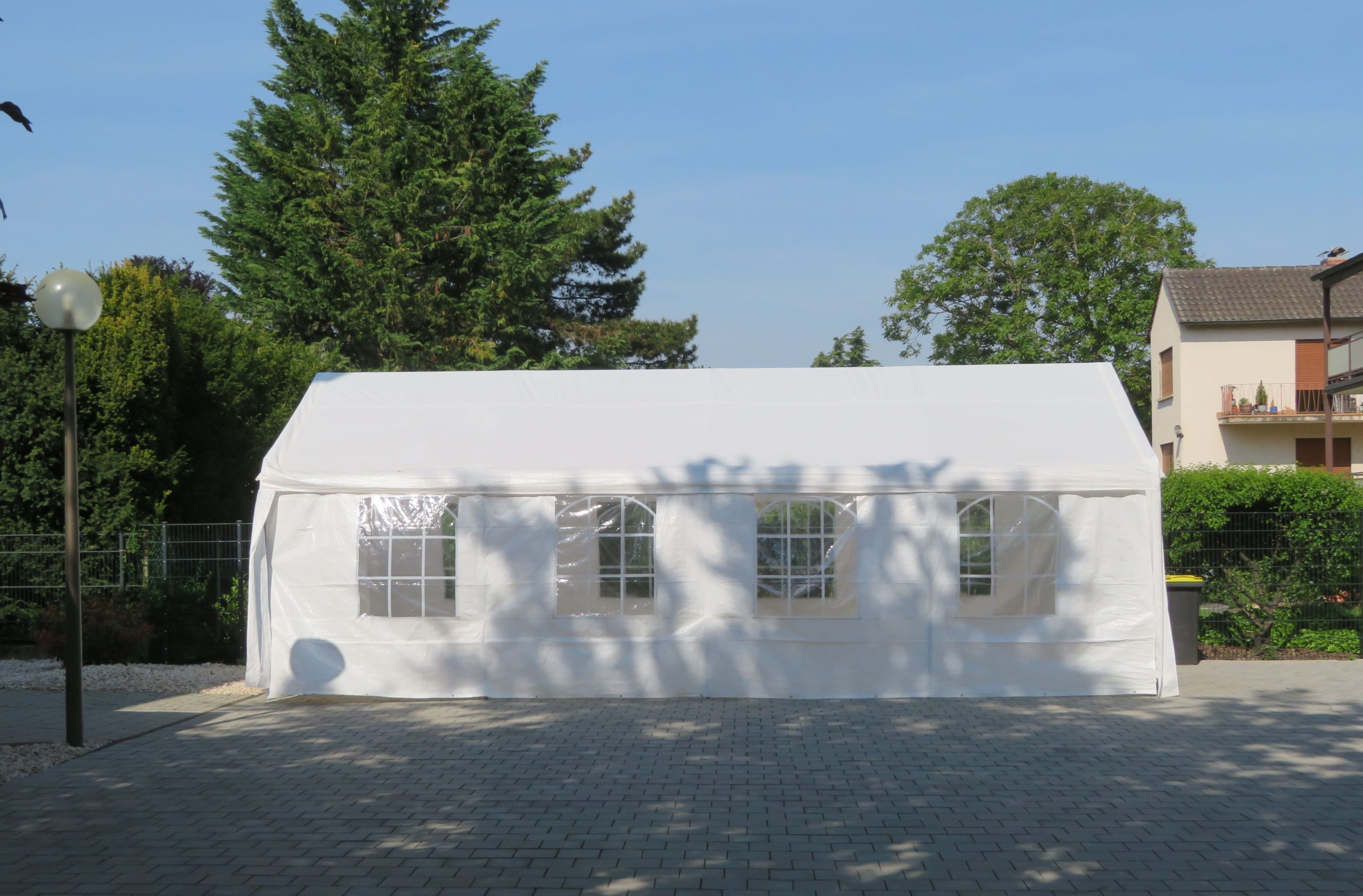
| Overhead cover | A tent, canopy or other covering over all operations and equipment |
| Floor cover | Mats or a removable platform to control dust and allow cleaning |
| Trash | Covered containers |
| Water | From an approved municipal or tested private supply |
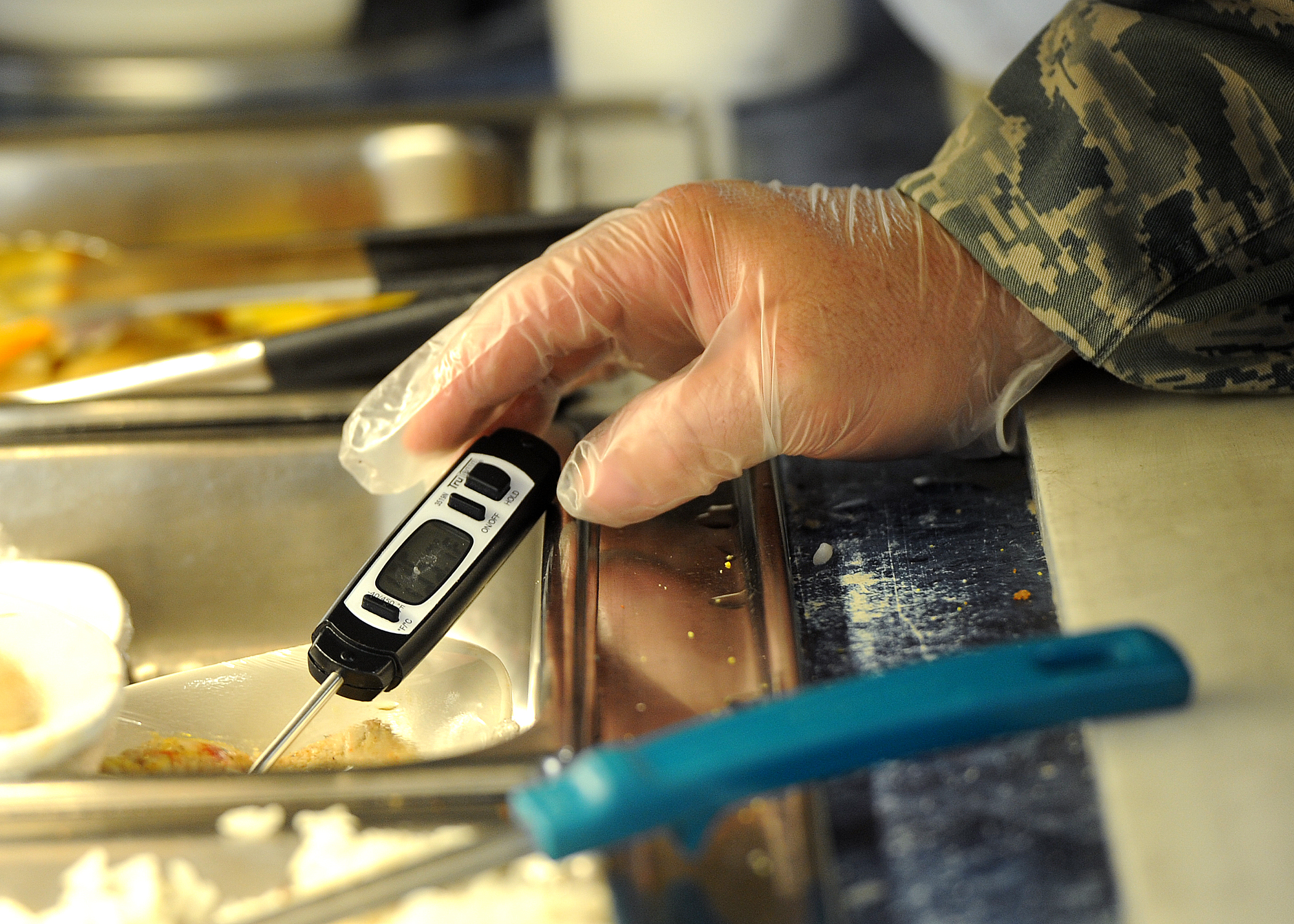
| Thermometers | Probe thermometers suited to the food you serve |
- Test the handwashing station at home: does the spigot stay open hands-free?
- Pack extra soap, towels and test strips.
- Pack enough coolers or refrigeration, and plan extra ice for hot days.
The morning of: setup
- Put up overhead cover and floor cover before any food comes out.
- Set up the handwashing station first and stock it. Vermont’s guidance states that vendors without a functioning handwashing station will be asked to close, and that gloves, hand sanitizer and wet wipes are not substitutes for handwashing.
- Fill the wash, rinse and sanitize containers and test the sanitizer strength.
- Check fridge and cooler temperatures before loading food.
- Post your permit where the public can see it if required.
During service: temperatures and hygiene
- Keep cold food at 41°F or below and hot food at 135°F or above, the figures in Vermont’s guidance, or follow your local code.
- Use a probe thermometer to check cooking and holding temperatures through the day.
- Do not touch exposed, ready-to-eat food with bare hands; use utensils, deli tissue or single-use gloves.
- Keep hair back and wear clean outer clothing; no smoking or eating in food prep areas.
- Keep food covered to keep insects off.
- Wash hands whenever they may have become contaminated, such as after handling raw food or trash.
- If you use ice to chill drinks or food, make sure it does not contaminate food or food-contact surfaces, as Vermont’s guidance points out.
- Vermont also allows Time as a Public Health Control instead of hot or cold holding, but only when its protocols are followed. Do not improvise this; ask your health department whether it is permitted and what records it requires.
If you are new to event trading, our festival food vendor guide covers the business side, and our explainer on catering for gaming events shows how to plan food that sits out for long sessions.
Pack-down
- Discard food that has been out of temperature control.
- Dispose of wastewater in an approved system, not on the ground or into storm drains.
- Clean and sanitize equipment before it goes back in the vehicle.
- Note any problems for next time: running out of ice, slow handwashing access, cooler space.
Frequently asked questions
Is hand sanitizer enough at a temporary food event?
Not under Vermont’s guidance, which says gloves, sanitizers and wet wipes do not replace handwashing. Check whether your local department says the same, and plan for a real handwashing station either way.
Do I need a three-compartment sink at a one-day event?
Vermont expects vendors to be able to wash, rinse and sanitize even if they do not expect to use it, and allows three plastic dishpans. Ask your local department what it accepts.
What if the event has no water supply?
Bring your own from an approved source in food-grade containers, and plan how you will hold and dispose of wastewater. Ask the organizer before the event.
Keep this list with your kit
Print this checklist, adjust it to your local rules, and store it in the box with your handwashing station. Tick it off at every event until it becomes habit. More guides for events and markets are in our pop-ups and markets section.