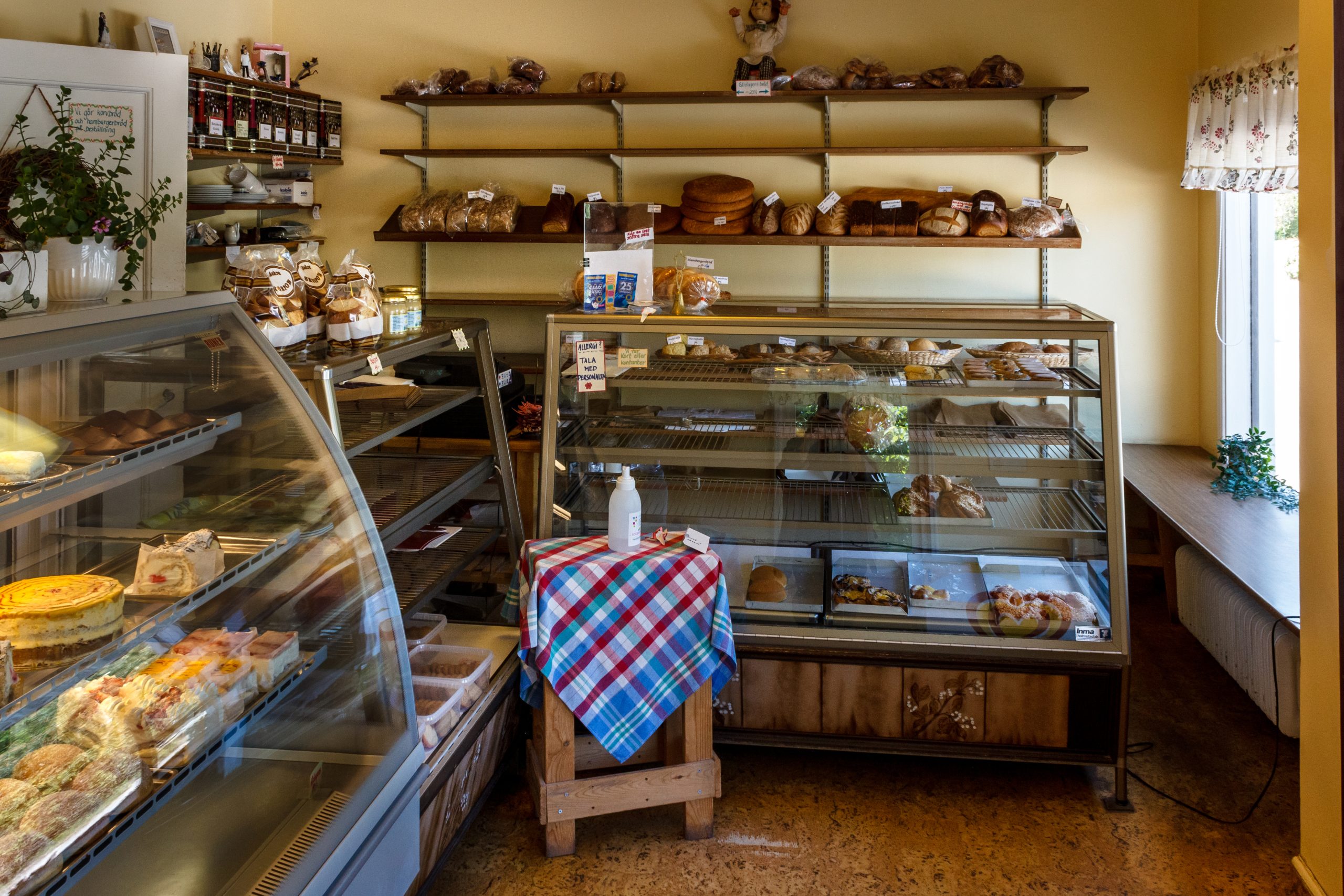

The most effective way to reduce food waste in a small food business is to stop it happening in the first place: measure what you throw away, order and prep to match real sales, and use older stock first. Whatever surplus remains should go to people if it is still safe and wholesome, then to uses such as animal feed or composting, with landfill as the last resort. That order comes from the U.S. Environmental Protection Agency’s ranking of options, and it works as well for a six-seat café or a market stall as for a large kitchen.
Key takeaways
- Prevention has the biggest payoff because it saves the food and everything spent producing it.
- A simple daily waste log shows where food is lost: spoilage, prep trim, overproduction or plate waste.
- Donating safe surplus ranks above composting; a 2023 federal law extended liability protection to direct donations by restaurants and caterers.
- Composting and other recovery options beat landfill, but local collection rules vary.
- Food sent down the drain or to landfill sits at the bottom of the EPA’s ranking.
What counts as food waste in a small kitchen
In a café, bakery or food truck, food waste usually falls into four groups:
- Spoilage: stock that passes its use-by date or goes bad in storage.
- Prep waste: trim, peelings and offcuts, some of which could become another dish.
- Overproduction: pastries, soups or sandwiches made for a rush that never came.
- Plate waste: food customers leave behind, often a sign that portions or sides are wrong.
Each group has a different fix, which is why measuring comes first. A notebook or simple spreadsheet by the bin, recording what was thrown out, roughly how much and why, is enough to show patterns within a few weeks.
How the EPA ranks your options
The EPA’s Wasted Food Scale orders the ways to deal with food from most to least preferred. The page explains that preventing waste has the greatest environmental benefit because it avoids all the resources used to produce, process, distribute and prepare the food. It also reports EPA estimates that food is 24 percent of the material in municipal solid waste landfills and that wasted food is responsible for 58 percent of landfill methane emissions released to the atmosphere.
A simplified version of the scale, as it applies to a small business:
| Option | What it means for you | Where it sits on the EPA scale |
|---|---|---|
| Prevent | Buy, prep and cook only what you will sell | Most preferred |
| Donate | Give safe, wholesome surplus to people who need it | Next after prevention |
| Upcycle or feed animals | Turn edible scraps into new products, or send suitable scraps for animal feed | Middle |
| Anaerobic digestion or compost | Send scraps to a digester or composting program | Middle to lower |
| Down the drain | Pour or grind food into the sewer | Near the bottom |
| Landfill or incineration | Put food in the general trash | Least preferred |
Prevention habits that cut food waste
Prevention is mostly about matching supply to demand. These habits apply to almost any small operation:
- Order to sales, not to hope. Use your records of what actually sells on each day of the week and adjust standing orders.
- Use the oldest stock first. Date and label containers, and put new deliveries behind older ones.
- Prep in smaller batches. Prepare more during service if needed instead of filling every container at opening.
- Design the menu to share ingredients. Our guide to planning a food truck menu explains how cross-using ingredients reduces both storage needs and leftovers.
- Check portion sizes. If plates keep coming back with the same side untouched, change or shrink it.
- Plan end-of-day items. Decide in advance what happens to bakery items or prepared food that does not sell, within your local food safety rules.
These habits also show up in your numbers. When you build or revise your food business plan, use your waste log to make your ingredient cost estimates realistic.
Donating surplus food
Donation ranks just below prevention on the EPA scale. In the United States, the Bill Emerson Good Samaritan Food Donation Act protects good-faith donors of apparently wholesome food. Public Law 117-362, approved on January 5, 2023, amended that Act. It defines a “qualified direct donor” to include restaurants, caterers, retail grocers and other food businesses, and says such a donor is not subject to civil or criminal liability arising from the nature, age, packaging or condition of the food when donating in good faith directly to a needy individual at zero cost. The law also covers some donations made at a reduced price that does not exceed the cost of handling and distribution.
The legal detail matters, so read the law or speak to an adviser before relying on it, and check state rules too. In practice, most small businesses start by contacting a local food bank, pantry or food rescue organization, which can explain what they accept, how food must be packed and chilled, and when they collect.
Composting and disposal
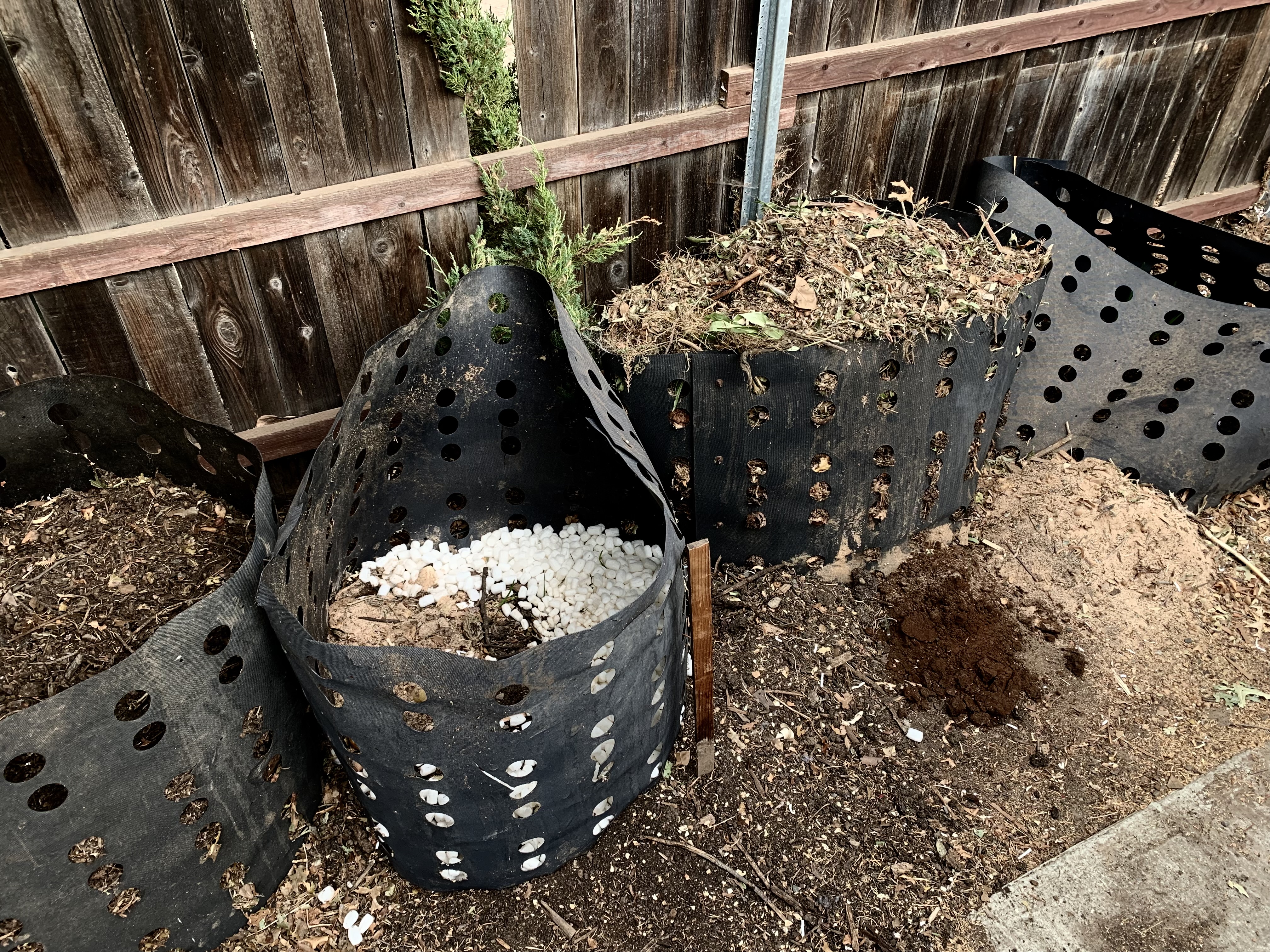
What you cannot prevent or donate can often be composted or sent to anaerobic digestion. Whether that is practical depends on where you are: some cities offer commercial organics collection, some have private haulers, and some have nothing nearby. Ask your local waste authority what is available and what it accepts.
Avoid sending food down the drain. The EPA ranks it near the bottom of the scale because food in sewers decays and releases methane. Many local utilities also have rules on fats, oils and grease, so check before you change how you dispose of them.
Frequently asked questions
Is food waste really a big cost for a small café?
It depends on the business, and there is no reliable universal figure for small cafés. Your own waste log is the best measure: price what you throw away for a few weeks, and the cost will be clear.
Can I give unsold food to staff?
Many businesses do, but local food safety rules still apply, and you should treat it as a written policy rather than an ad hoc habit. Check with your health department if you are unsure.
What if there is no composting service near me?
Focus on prevention and donation, which rank higher anyway. Some small businesses work with local gardens or farms, but check local rules on transporting and accepting food scraps first.
Start with one week of measurement
Put a waste log by the bin this week and record every item you throw away and why. At the end of the week, pick the largest category and change one habit to address it. If you are setting up a new place, build these routines in from the start, as described in our walkthrough on opening a small café. More operating guides are in our small cafés section.