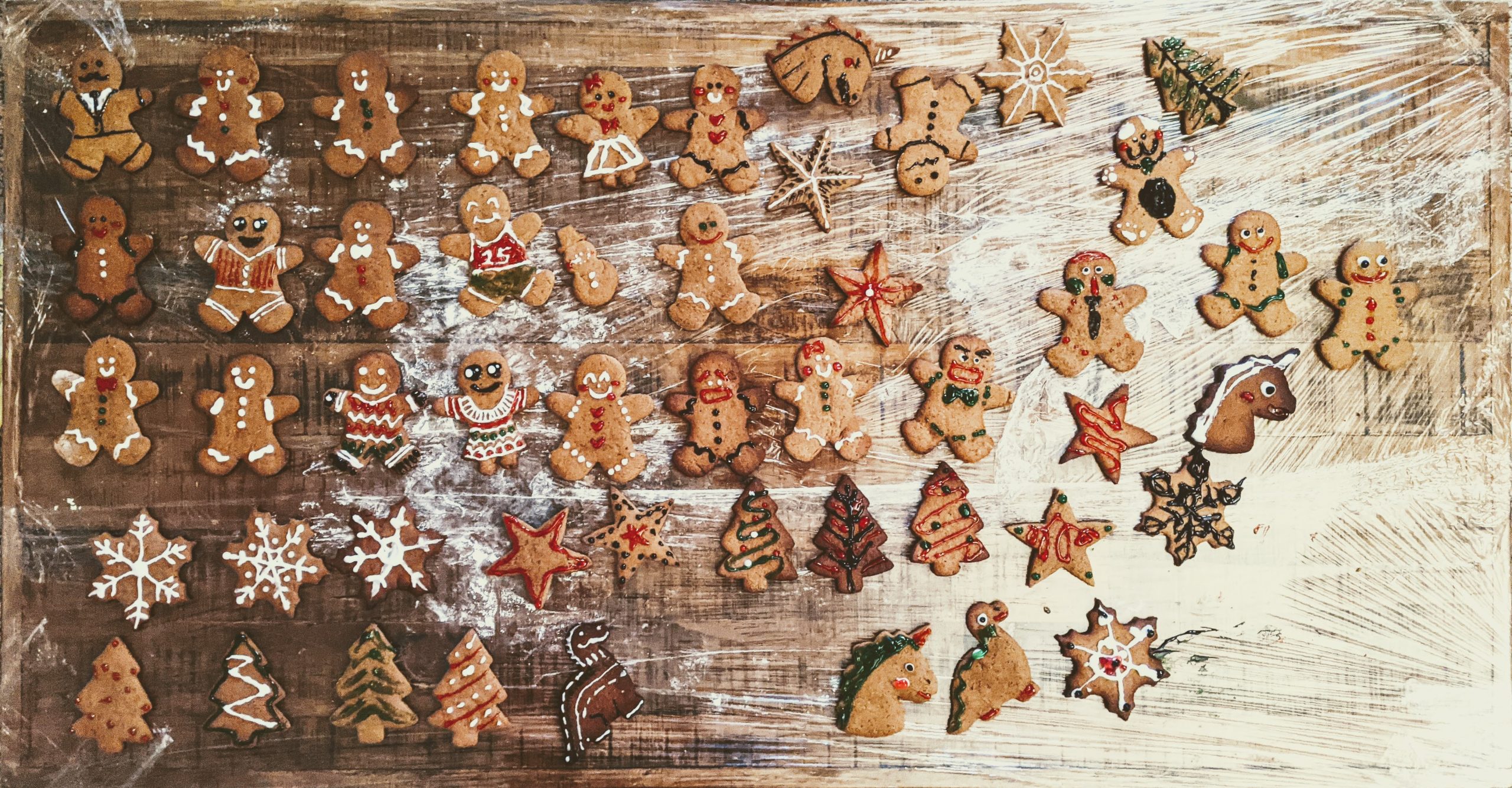

Holiday baking orders can be the busiest and most profitable weeks of the year for a home baker, but only if you cap what you take on, set firm cutoff dates and keep every product within your state’s cottage food rules. The most common problems are overbooking, rushed labels and missed allergen details. This walkthrough follows a hypothetical home baker selling cookies and pies under a cottage food registration as she plans her holiday season, from deciding capacity in early November to the final pickups. Rules on what you can sell, how you label it and whether you can ship it differ by state, so check your own state’s cottage food guidance before you start.
Key takeaways
- Work out how much your kitchen and oven can produce before you open orders.
- Set an order cutoff date and stick to it.
- Labels must meet your state’s cottage food rules, including allergens.
- Check whether your state allows delivery or shipping before you offer it.
Early November: deciding capacity for holiday baking orders
Our baker starts with arithmetic, not marketing. She times how long one batch of each product takes from mixing to cooling and packing, counts how many batches her oven can handle in a day, and blocks out the days she can actually bake around her day job. That gives her a maximum number of orders per week, with a margin for a failed batch or a sick day. Our guide to balancing a side hustle with work is a useful reality check at this stage.
She narrows her menu to the items that sell best and travel well, and drops anything fiddly or perishable. Cottage food rules in many states limit sales to foods that do not need refrigeration, so she sticks to cookies, breads and fruit pies that are allowed where she lives. Our explainer on cottage food laws covers how these limits work.
Mid November: opening orders with clear terms
She posts a simple order form with:
- the product list and pack sizes
- the order cutoff date
- the pickup dates and times
- a note asking customers to list any allergies
- her payment terms and cancellation policy
When she reaches her capacity, she closes orders, even if the cutoff date has not arrived.
Labels and allergens
Every package needs a label that meets her state’s cottage food rules. As one example, the Minnesota Department of Agriculture’s cottage food law guidance requires the producer’s name or business name, a registration number or address, the date the food was made, all ingredients including major allergens, and the statement “These products are homemade and not subject to state inspection.” Other states use different wording, so she checks her own state’s rules each year.
For allergens, the US Food and Drug Administration lists nine major food allergens: milk, eggs, fish, crustacean shellfish, tree nuts, peanuts, wheat, soybeans and sesame. Holiday baking often uses several at once, especially nuts, eggs, milk and wheat, so she builds labels from her recipe file rather than from memory. Our food labeling checklist for home bakers walks through each label element.

Early December: the production plan
She turns orders into a day-by-day schedule: doughs on one day, baking on the next, decorating and packing on the third. Products that keep well are made first; those best eaten fresh are baked closest to pickup. She keeps raw ingredients separate from finished goods, cleans down between allergen-heavy batches, and labels as she packs, not at the end of the night.
| Week | Main task | Risk to manage |
|---|---|---|
| Week 1 | Confirm orders and buy ingredients | Running short on key ingredients |
| Week 2 | Bake long-keeping items | Storage space |
| Week 3 | Bake fresh items and pack | Allergen cross-contact, labeling errors |
| Pickup days | Hand over orders | Late customers and missed pickups |
Pickup and delivery
Many cottage food laws restrict how food reaches customers. In Minnesota, for example, the guidance says online ordering is allowed but the food must still be provided to the customer in person, and human foods cannot be mailed or shipped. Our baker offers set pickup windows rather than delivery, which keeps her within the rules and makes her days more predictable.
After the rush: what she reviews in January
Once the last order is collected, she spends an evening on a short review while the details are fresh. Which products sold out first, and which were left over? Which batches took longer than planned? Did any customer report a problem with a label or an allergen? Were the pickup windows long enough? She notes ingredient quantities for next year, keeps copies of her labels, and updates her recipe file with any changes. She also checks whether her cottage food registration or any required training needs renewing before spring, so that paperwork does not land in the middle of the next busy season.
Frequently asked questions
How many holiday baking orders should I take?
Only as many as your kitchen, oven and time allow, with a margin for mistakes. Work it out from real batch times rather than guesses.
Can I ship cookies to customers in other states?
That depends on your state’s cottage food law; some do not allow shipping at all. Check your state’s guidance first.
Do I need to list every ingredient?
Many states require full ingredient lists and allergens on cottage food labels. Check your state’s labeling requirements.
A calmer holiday season
Set your capacity first, open orders with clear terms, label carefully from your recipe file, schedule production by day and stay within your state’s rules on sales and delivery. For more practical notes on selling food from home, see our home baker guides.