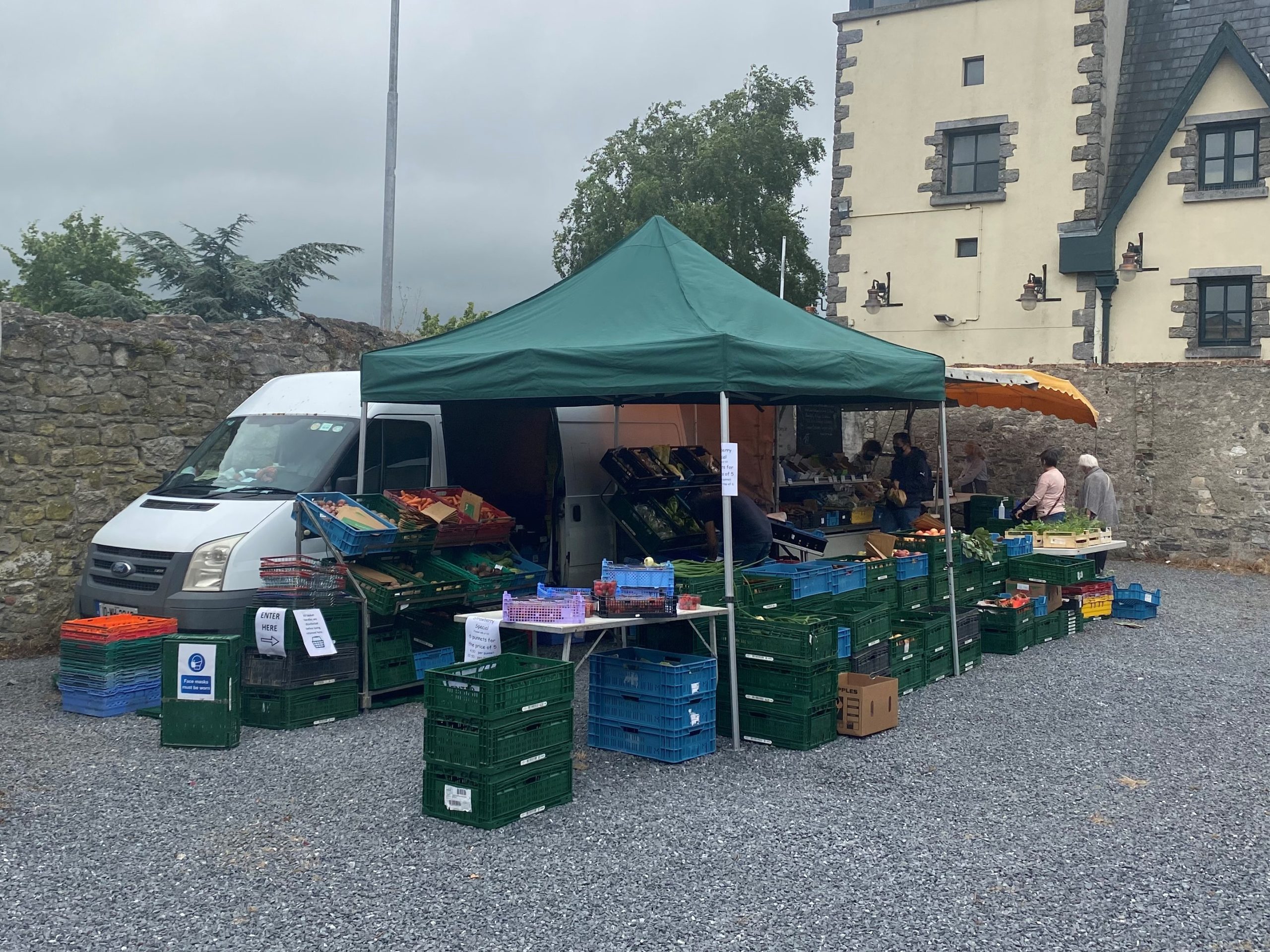

Setting up a farmers market stall comes down to six steps: read the market’s own rules, confirm that your product is allowed and permitted, check your scale if you sell by weight, design a display that customers can read from a distance, pack the same kit every week, and run a routine that keeps you calm when the morning rush hits. Most new vendors focus on the display. The paperwork and the packing list are what keep you coming back.
Key takeaways
- Every market has its own rules on products, setup times and eligibility.
- Food rules depend on what you sell: cottage foods, produce and hot food are treated differently.
- If you sell by weight, your scale may be inspected by your state’s weights and measures program.
- A clear, uncluttered display sells better than a crowded one.
- A written packing list saves you from the forgotten-tent-weights morning.
Step 1: Read the market rules and apply
Each market sets its own terms. Before applying, find out:
- Which products the market accepts, and whether it limits how many vendors sell the same thing.
- Whether vendors must grow or make what they sell.
- Setup and pack-down times, and where vehicles may park.
- What the market provides: space only, or tables, power and water.
- What insurance or documents the market asks to see.
Apply with photos of your products and setup. Popular markets can have waiting lists, so apply early and be flexible about dates.
Step 2: Confirm your product is allowed
What you sell decides which food rules apply. Fresh whole produce, packaged home-made goods and food cooked on site are often regulated differently.
If you make shelf-stable goods at home, your state’s cottage food rules may cover farmers market sales. Texas, for example, lets cottage food be sold at a farmers’ market, and its cottage food guidance requires labels that include a statement that the product was produced in a private residence not subject to governmental licensing or inspection. Our guide to starting a food side hustle explains how to check your own state’s list.
If you cook or serve open food at the market, you will likely need a temporary food permit and a compliant setup. Vermont’s guidance on temporary food service at events, which is written for festivals, fairs and farmers markets, requires a handwashing station whenever you operate, overhead cover, floor cover, covered trash and approved wastewater disposal.
Step 3: Check your scale before your farmers market stall opens
If you sell anything by weight, your scale matters to customers and regulators. NIST’s article on how weights and measures protect buyers notes that state inspectors regularly test grocery store scales, that the scale should be at zero before weighing, and that packaging weight should be deducted when food is sold by weight. Ask your state weights and measures program whether your market scale must be an approved type and whether it needs inspecting. Selling by the piece or by the bunch avoids the question entirely for some products.
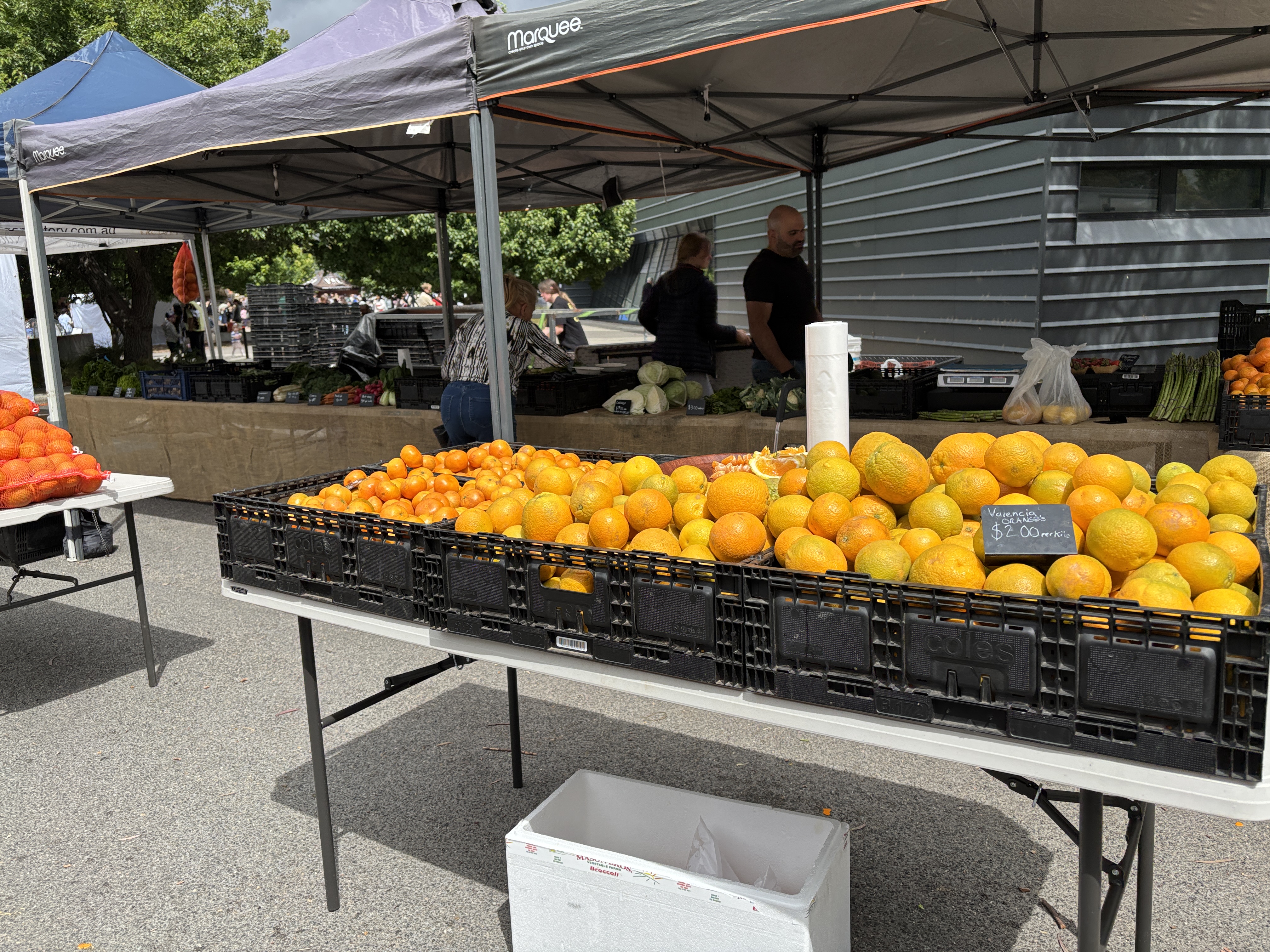
Step 4: Design a display people can read from the aisle
Customers decide in seconds whether to stop. Help them:
- Raise products toward eye level with crates or risers.
- Keep one clear message: what you sell and what makes it different.
- Label every product with its name and any allergen information your rules require.
- Leave room at the front for customers to pick up and look.
- Keep stock boxes, cash and personal items out of sight behind the table.
Step 5: Build a packing list and use it every week
| Category | Items |
|---|---|
| Shelter | Canopy, canopy weights, side wall for wind or sun |
| Display | Table, cloth, crates or risers, signs, labels |
| Food safety | Coolers or refrigeration, thermometer, handwashing station if required |
| Selling | Scale if needed, bags, card reader, change, receipt book |
| Paperwork | Permits, market agreement, insurance certificate |
| Comfort | Water, snacks, layers for weather, a stool |
Tick it off when packing the night before, not on the morning itself.
Step 6: Run a calm market day
Arrive early enough to set up without rushing. Check cooler temperatures before you open. Restock from behind rather than in front of customers. Track what sells by the hour; after a few weeks you will know when to bring out more stock and when to start packing down. If you also trade at events, the routines in our festival food vendor guide transfer directly, and the training basics in food handler certification explained apply to anyone handling open food.
Frequently asked questions
Do I need a permit for a farmers market stall?
It depends on what you sell and where. Whole produce, cottage foods and hot food are often treated differently. Ask the market manager and your local health department.
Can I offer free samples?
Often, but samples are open food, so hygiene rules apply. Vermont’s event guidance, for example, says workers may not touch exposed, ready-to-eat food with bare hands. Check with your health department before you plan tastings.
How many products should I bring to my first market?
Fewer than you think. A tight range of well-presented items is easier to restock, label and explain. Add products once you know what customers ask for.
Before your first market
Email the market manager with three questions: what documents they need, what time setup closes, and what the busiest hour usually is. Their answers will shape your packing list and your first-day plan. More guides for stalls and pop-ups are in our pop-ups and markets section.