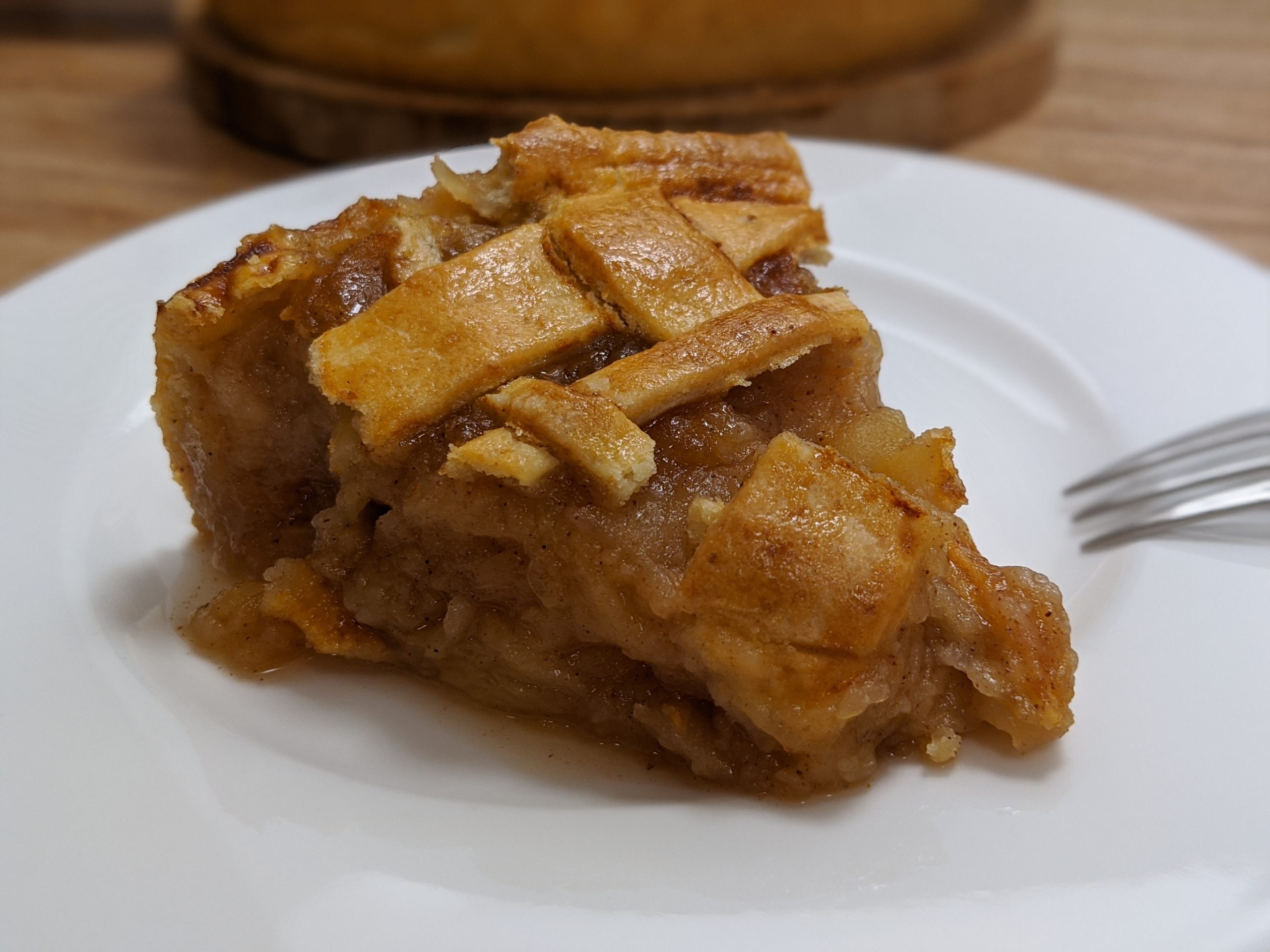

Turning a cooking hobby into a business usually comes down to five questions: do people outside your circle want to buy it, what does the law let you make and sell from where you cook, what will it really cost, how will you set the business up, and does a small trial prove the idea? A hobby becomes a business when you run it with the aim of making a profit, keep proper records and accept the rules that come with selling food. The walkthrough below follows one hypothetical home cook through those questions. It is an illustration, not a real person or business, and the rules it mentions vary by state and country.
Key takeaways
- Praise from friends is a start, not proof of demand; test with real buyers.
- What you may sell, and from which kitchen, depends on cottage food rules or local registration.
- List one-time and ongoing costs before you set prices.
- The IRS looks at several factors, including records and profit motive, to tell a hobby from a business.
- A small, time-limited trial tells you more than months of planning.
The scenario: the pie everyone asks about
Say you bake fruit pies most weekends. Neighbors ask for them for parties, and a friend suggests you sell at the local market. You enjoy it, but you are not sure whether it could pay or whether it would stop being fun.
Our step-by-step guide to starting a food side hustle covers the general sequence. Here the question is narrower: when does a cooking hobby become a business, and how do you find out whether yours should?
Step 1: Decide whether your cooking hobby is a business
The IRS article on the difference between a hobby and a business lists factors it considers, and says no single factor is more important than another. They include:
| IRS factor | What it looks like for a home cook |
|---|---|
| Run in a businesslike way, with complete and accurate records | You track ingredients, sales and time, not just bake |
| Time and effort put in that suggests intent to make a profit | Regular bake days and order deadlines |
| Personal motives such as enjoyment or relaxation | Baking mainly for pleasure points toward a hobby |
| Changes in methods to improve profitability | You adjust recipes, sizes or prices based on results |
| Whether the activity makes a profit in some years | Sales cover costs and leave something over |
The same article says income from an activity carried on without intending to make a profit must still be reported. Talk to a tax professional about your situation; the article is an archived tip and rules can change.
Step 2: Check what you can sell, and from where
In this scenario, pies sound simple, but food rules decide a lot. In the US, many states have cottage food laws allowing some lower-risk foods to be made at home and sold directly. Fruit pies may qualify in some states, while cream or custard pies that need refrigeration may not. Our explainer on how cottage food laws work goes through the common patterns.
If your product does not qualify, the usual alternatives are renting time in a licensed kitchen or partnering with an existing food business. In the UK, home cooks selling food generally register with their local council before trading.

Step 3: Work out the real costs
The SBA’s guide to calculating startup costs suggests identifying your expenses, estimating each one, sorting them into one-time and monthly costs, and adding them up. Common items it lists include equipment, licenses and permits, insurance, inventory, marketing and a website.
For a home pie business, that might include:
- One-time: extra pie tins, a second oven rack, a scale, a label printer, a market canopy, any permit or registration costs.
- Ongoing: ingredients, packaging, labels, market pitch fees, insurance, fuel for deliveries, and your time.
Cost one pie in full from your actual recipe and supplier receipts before you decide what to charge. Our guide to writing a food business plan shows how these numbers fit into a simple plan.
Step 4: Choose a structure
The SBA’s overview of how to choose a business structure explains that a sole proprietorship is easy to form and gives you complete control, but you and the business are not legally separate, so you can be personally liable for business debts. A limited liability company protects personal assets from business liability in most instances, with more paperwork. The SBA notes the choice affects taxes, liability, paperwork and your ability to raise money.
Many people start small and revisit the structure once sales are steady. Ask an accountant or adviser which fits your situation.
Step 5: Run a small, time-limited trial
In the scenario, the next move is a trial: take pre-orders for one holiday weekend, or book a few market dates, with a firm cap on how many pies you will make. Track:
- How many orders came from people you do not know.
- Time spent baking, packing and selling.
- Ingredient and packaging costs per pie.
- What customers asked about, praised or skipped.
At the end, compare the results with your costs and your energy. Some cooks find the business works. Others realize they prefer baking for pleasure, which is a perfectly good outcome.
Frequently asked questions
Do I need to register as a business to sell a few items?
It depends on your location and how often you sell. Food sales usually bring health or registration requirements even at small scale, and tax rules apply to income either way. Check with your state or local authority and a tax adviser.
Will selling my cooking take the fun out of it?
It can. Deadlines, regulations and customer expectations change the experience. A short trial is the safest way to find out before committing.
How long should a trial run last?
There is no set rule. Long enough to include a few sales days and see repeat orders, but short enough that you can stop without losing much. For example, you might try a month, or one busy holiday season.
Decide after the trial
Write down your answers to the five questions, run one capped trial, and review the numbers honestly. If the results are promising, the next step is the paperwork. If not, you still have a cooking hobby you enjoy. More reading on life around a food business is in our Lifestyle section.