
Home kitchen food safety rests on four habits that public health agencies repeat for a reason: clean, separate, cook and chill. Many familiar kitchen habits, such as rinsing raw chicken, judging doneness by color, letting food cool on the counter or tasting raw cookie dough, go against that guidance. For anyone baking or cooking to sell from home, getting these right matters even more, because your customers are trusting a kitchen that may never see an inspector. Below are common myths set against the facts from the CDC, the FDA and UK government guidance.
Key takeaways
- Do not wash raw chicken; the CDC says it spreads germs and the chicken is ready to cook.
- Use a food thermometer; color and texture are not reliable signs of doneness for most foods.
- Refrigerate perishable food within 2 hours, or within 1 hour if it has been above 90°F.
- Raw flour and raw dough can carry harmful bacteria; do not taste them.
- Selling from home does not exempt you from food safety rules.
Home kitchen food safety myths at a glance
| Myth | Fact | Source |
|---|---|---|
| Rinse raw chicken to make it cleaner | Washing can spread germs; raw chicken is ready to cook | CDC |
| You can tell meat is done by its color | Use a thermometer; color and texture are unreliable | CDC |
| Let food cool on the counter before refrigerating | Refrigerate within 2 hours, or 1 hour above 90°F | CDC |
| Thawing on the counter is fine | Thaw in the fridge, in cold water or in the microwave | CDC |
| Raw flour is safe because it is dry | Flour is a raw food and can carry bacteria | FDA |
| A home business is too small for food safety rules | Registration, inspection or cottage food rules usually apply | GOV.UK and state rules |
Myth: Washing raw chicken makes it safer
Fact: The CDC’s four steps to food safety say raw chicken is ready to cook and does not need washing, because washing can spread germs around the sink and nearby surfaces. What does need washing is everything else: hands for at least 20 seconds with soap and water, and utensils, cutting boards and counters with hot, soapy water after each food item. Fresh fruit and vegetables should be rinsed under running water.
The same guidance says to keep raw meat, poultry, seafood and eggs separate from other foods, and to use one cutting board for raw meat and another for produce, bread and foods that will not be cooked. For home bakers, that separation also applies to allergens, which our allergen management checklist covers.
Myth: You can judge doneness by color and texture
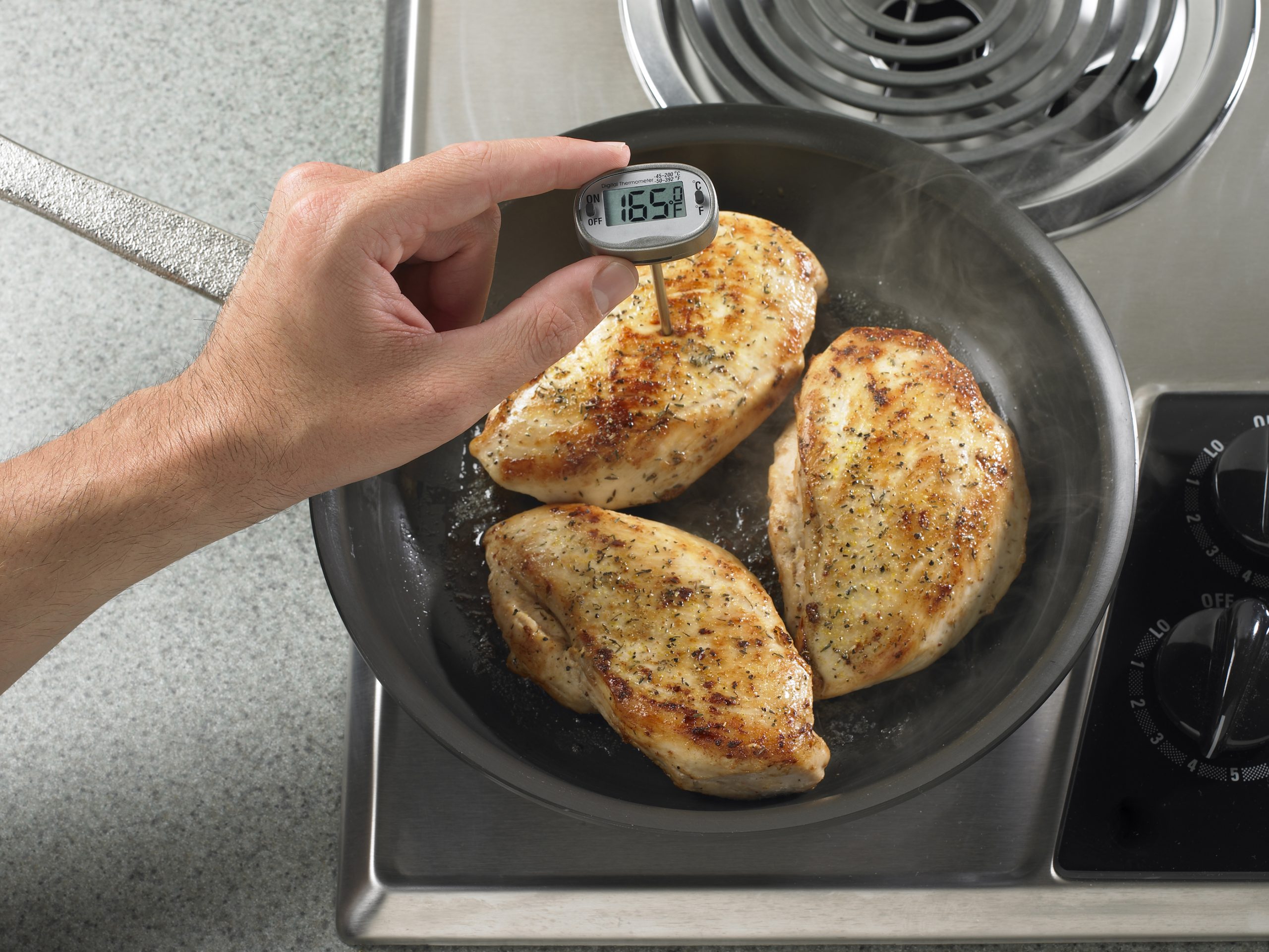
Fact: The CDC says to use a food thermometer, because color and texture are not reliable indicators, except for seafood. Its minimum internal temperatures include:
- Whole cuts of beef, veal, lamb and pork, including fresh ham: 145°F, then rest for 3 minutes.
- Fish with fins: 145°F, or until the flesh is opaque and separates easily with a fork.
- Ground beef and pork: 160°F.
- All poultry, including ground chicken and turkey: 165°F.
- Leftovers and casseroles: 165°F.
A thermometer is a small piece of equipment that does a lot of safety work. Check that it reads accurately.
Myth: Hot food should cool on the counter before it goes in the fridge
Fact: The CDC says to refrigerate perishable food within 2 hours, or within 1 hour if it has been exposed to temperatures above 90°F. Keep the refrigerator at 40°F or below and the freezer at 0°F or below.
Thawing follows the same logic. The CDC says to thaw food in the refrigerator, in cold water or in the microwave, and never on the counter.
Myth: Raw flour is safe because it is a dry ingredient
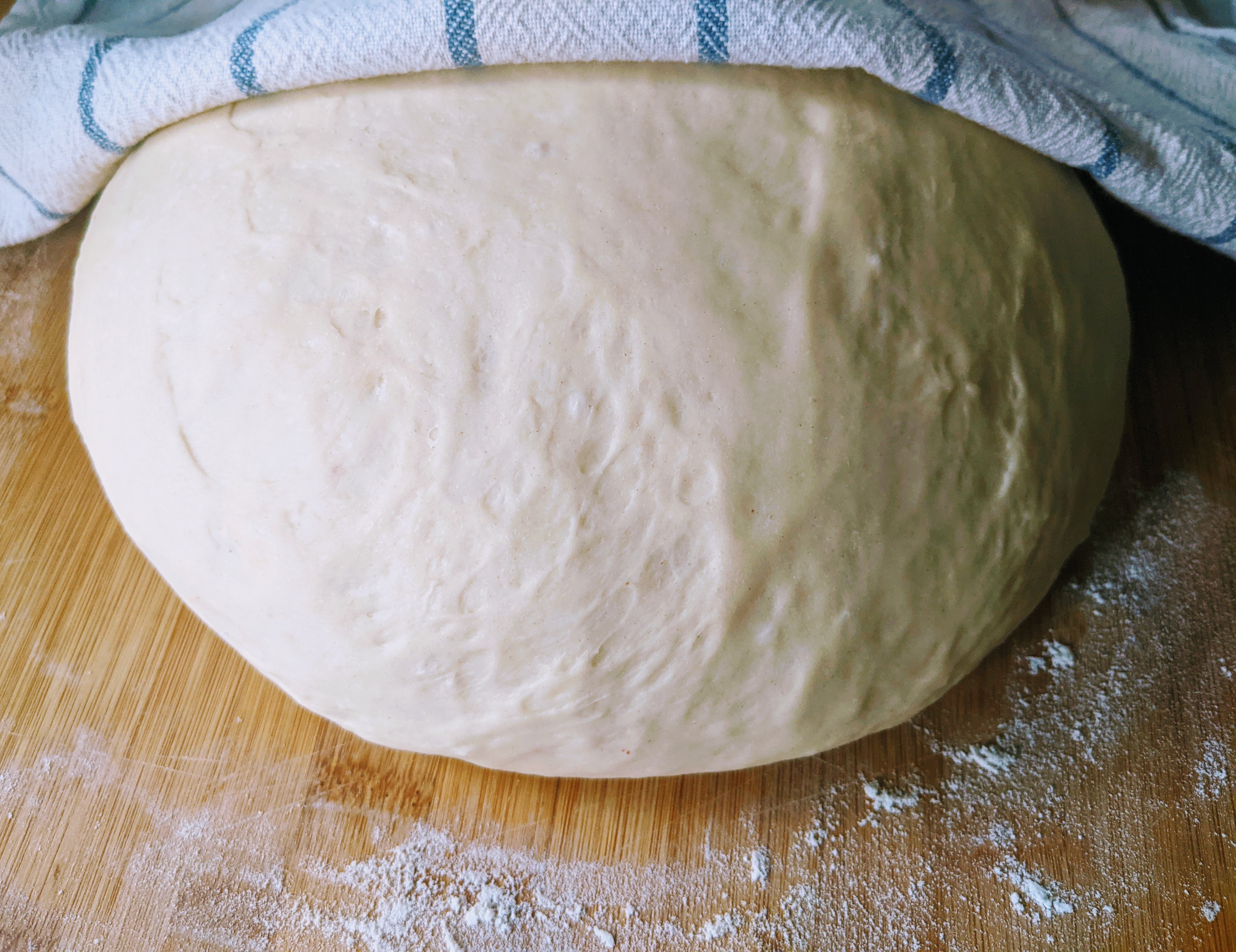
Fact: The FDA’s guidance on handling flour safely explains that flour is a raw food. Grain can carry bacteria such as Salmonella and E. coli, and milling grain into flour does not kill them. Many doughs and batters also contain raw eggs. The FDA says baking or cooking thoroughly is the only sure way to make these foods safe, and advises against tasting raw dough or batter.
It also says that heat-treating flour at home may not kill all bacteria, and that children should not eat or play with raw dough, including for crafts. For a home baker, that means no tasting from the mixing bowl and careful cleanup of flour dust on surfaces.
Myth: A small home business does not need to worry about the rules
Fact: Selling food usually brings formal requirements, even from a home kitchen. In England, Wales and Northern Ireland, GOV.UK’s guidance on starting a food business says the local authority will arrange to visit and inspect a home-based food business, and that food hygiene rests on cleaning, cooking, chilling and avoiding cross-contamination. It also says you must be able to show adequate food hygiene training, though a certificate is not compulsory.
In the US, cottage food laws set what you may make at home and what training, labeling or registration is required. Our explainers on cottage food laws and food handler certification cover both.
Frequently asked questions
Is it safe to eat cookie dough if I use pasteurized eggs?
Pasteurized eggs address only part of the risk. The FDA notes that flour itself is raw and can carry bacteria, and that home heat treatment may not make it safe. The safest approach is not to eat raw dough.
How do I know my fridge is cold enough?
Use an appliance thermometer. The CDC recommends keeping the refrigerator at 40°F or below and the freezer at 0°F or below.
Do I need to wash fruit used in baking?
The CDC advises rinsing fresh fruits and vegetables under running water.
Build the habits into your routine
Put a thermometer by the stove and another in the fridge, set a two-hour rule for cooling, keep separate boards for raw meat and baking, and stop tasting raw dough. Small habits protect your customers and your business. More guides for home bakers are in our home bakers section.