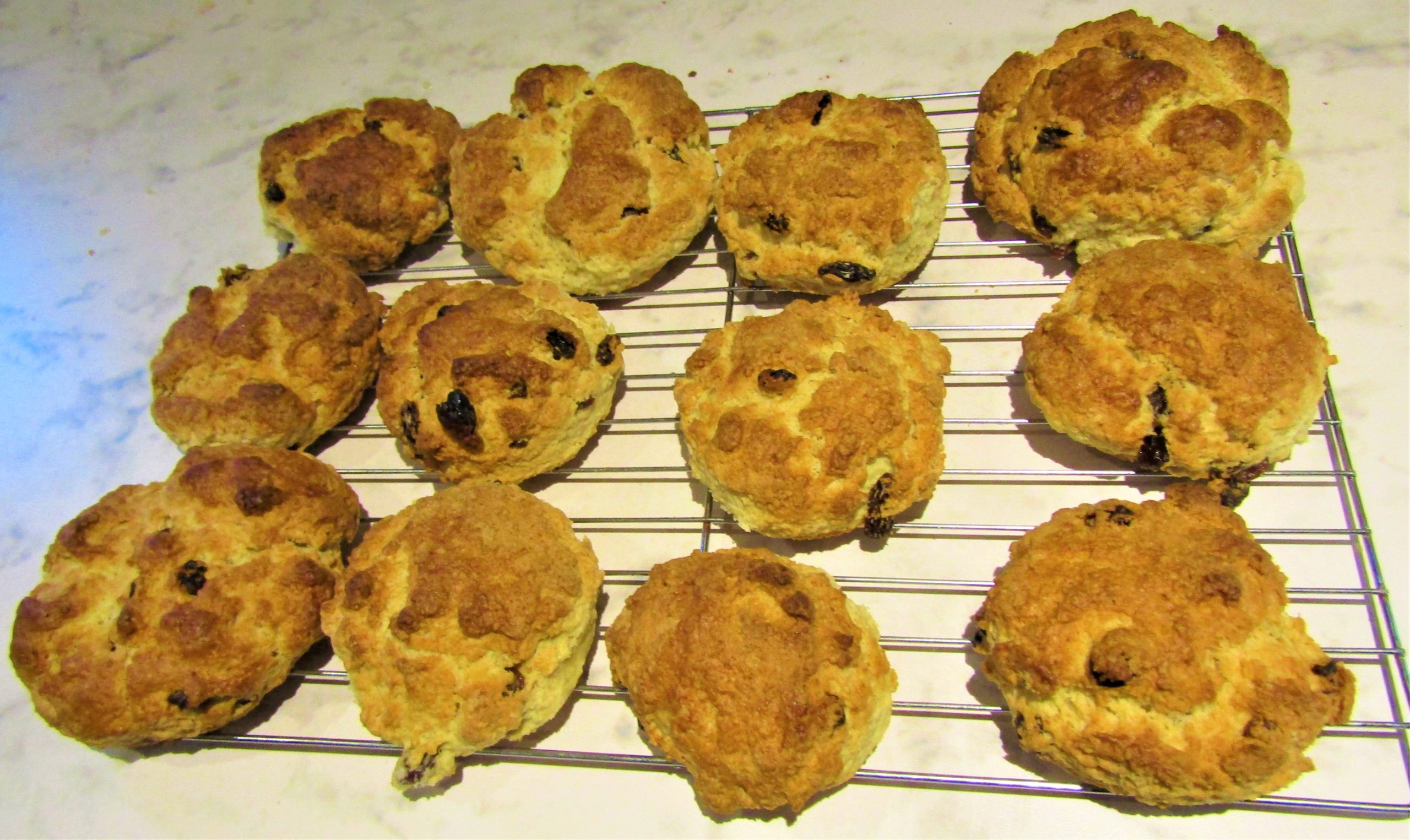

If you want to sell food in the UK, including cakes and bread baked at home, you need to register a food business with your local authority. In England, Wales and Northern Ireland you apply online at least 28 days before you start trading, registration is free, and it cannot be refused. In Scotland you register with your council’s environmental health service on the same 28-day timescale. The steps below follow the official guidance from GOV.UK and Food Standards Scotland, and they apply whether you bake twice a week or every day.
Key takeaways
- Anyone who sells, cooks, stores, handles, prepares or distributes food may need to register, including home-based and online sellers.
- Apply at least 28 days before trading, but not much earlier.
- Registration is free and cannot be refused; inspection and a hygiene rating usually follow.
- Have a food safety management system, allergen information and basic hygiene training in place before the first visit.
- Check the other permissions a home business needs: landlord or mortgage lender, insurance and tax.
Step 1: Confirm that you need to register a food business
The GOV.UK guidance on starting a food business says registration may apply to anyone who sells, cooks, stores, handles, prepares or distributes food. That includes businesses run from home, from mobile or temporary units, and those that only sell online. The same page notes that regularly supplying food to the public, even for free, counts as a food business.
For home bakers, that usually settles the question. If you plan to take orders, sell at a market or supply a café, assume you need to register and check with your council if your situation is unusual.
Some operations need approval rather than registration. Food Standards Scotland explains that businesses which make, prepare or handle meat, fish, egg or dairy products for supply to other businesses may require approval instead. A home baker selling direct to customers is unlikely to fall into this group, but ask your council if you plan to supply other businesses with products like these.
Step 2: Time your application
The GOV.UK food business registration page says to register at least 28 days before trading in England, Wales and Northern Ireland, and also advises against registering too early. Wait until you are about 28 days from being ready.
If you are already trading and have not registered, the guidance is to register as soon as possible.
| Situation | What the guidance says |
|---|---|
| Opening a new food business | Register at least 28 days before trading |
| Taking over an existing business | Register with the local authority as a new operator |
| Already trading without registering | Register as soon as possible |
| Several premises | Register each premises with the council where it is located |
| Several trading names | One registration can cover them; tell the council about new names |
| Closing down | Tell your local authority when you stop trading |
Step 3: Submit the form
In England, Wales and Northern Ireland, the application goes through the online food business registration service linked from GOV.UK, which passes it to your local authority. Before you start, GOV.UK suggests working through its “getting ready to start your food business” checklist.
In Scotland, Food Standards Scotland’s page on registering a food business says businesses must register with the environmental health service at their local authority at least 28 days before opening, and that registration is free. Contact your council to find out its process and form.
Have your details ready: the business name or names, the address where food is prepared, the type of food, and your planned start date.
Step 4: Get your kitchen and paperwork ready for inspection
Registration leads to a visit. For home businesses, GOV.UK says the local authority will arrange to inspect your home. Inspections of businesses generally are usually unannounced, and higher-risk premises are prioritized, so the first visit may come months after you start.
Before then, put these in place:
- A food safety management system. GOV.UK says you must use HACCP procedures or a HACCP-based system. Its Safer Food, Better Business packs cover personal hygiene, pest control, cross-contamination and cleaning. In Northern Ireland, the guidance points to Safe Catering instead.
- Hygiene training. You must be able to show adequate food hygiene training. A certificate is not compulsory, according to GOV.UK, but it is recommended. Our guide to food handler certification explains how training courses tend to work.
- Allergen information. You must tell customers if food contains any of the 14 specified allergens, including those in garnishes and additives. If you sell at a distance, the information must be available before purchase and again on delivery.
- Supplier records. Keep up-to-date traceability records of who you buy from and, where relevant, who you sell to.
- A clean, workable kitchen. Handwashing facilities, cleanable surfaces, pest control and correct disposal of food waste and cooking fat all feature in the guidance.
Step 5: Understand your food hygiene rating
In England, Wales and Northern Ireland, inspectors give a published rating from 0 to 5. GOV.UK points out that the rating covers hygiene only, not the quality of the food or customer service. After the inspection you receive a letter listing any improvements, with reasonable time to make them unless there is an immediate risk to public health, and you can ask for a re-rating inspection.
Step 6: Sort out the other permissions
Registering is one piece. GOV.UK lists several other checks for home-based food businesses: permission from your mortgage provider or landlord, anything your council requires, insurance, tax and business rates. It also says to register as self-employed with HMRC, even if you work part time. For a wider view of paperwork, see our checklist of food business licenses and permits, and if you also sell in the United States, compare the very different cottage food laws there.
Frequently asked questions
Does it cost anything to register?
No. GOV.UK says registration is free and cannot be refused, and Food Standards Scotland also states that registration is free.
I only bake for a few friends each month. Do I need to register?
GOV.UK says regularly supplying food to the public counts as a food business, even if the food is free. Occasional, small-scale baking for friends may not, but the line depends on frequency and scale, so ask your council’s food safety team.
Will the inspector come before I start selling?
Not necessarily. Inspections are usually unannounced and prioritized by risk, so your first visit could come months after you open. Prepare as though it could happen at any time.
Before you bake your first order
Find your local food safety team, note the date 28 days before your planned launch, and use that window to set up your food safety records and allergen information. Then submit the registration. Browse more practical guides in our home bakers section.